Comparisons & rankings
Best beaches in Santa Catarina, ranked
Santa Catarina has over 500km of coast and roughly 100 named beaches worth visiting — but only about 15 are genuinely great, and they’re not the ones the state tourism board pushes hardest.
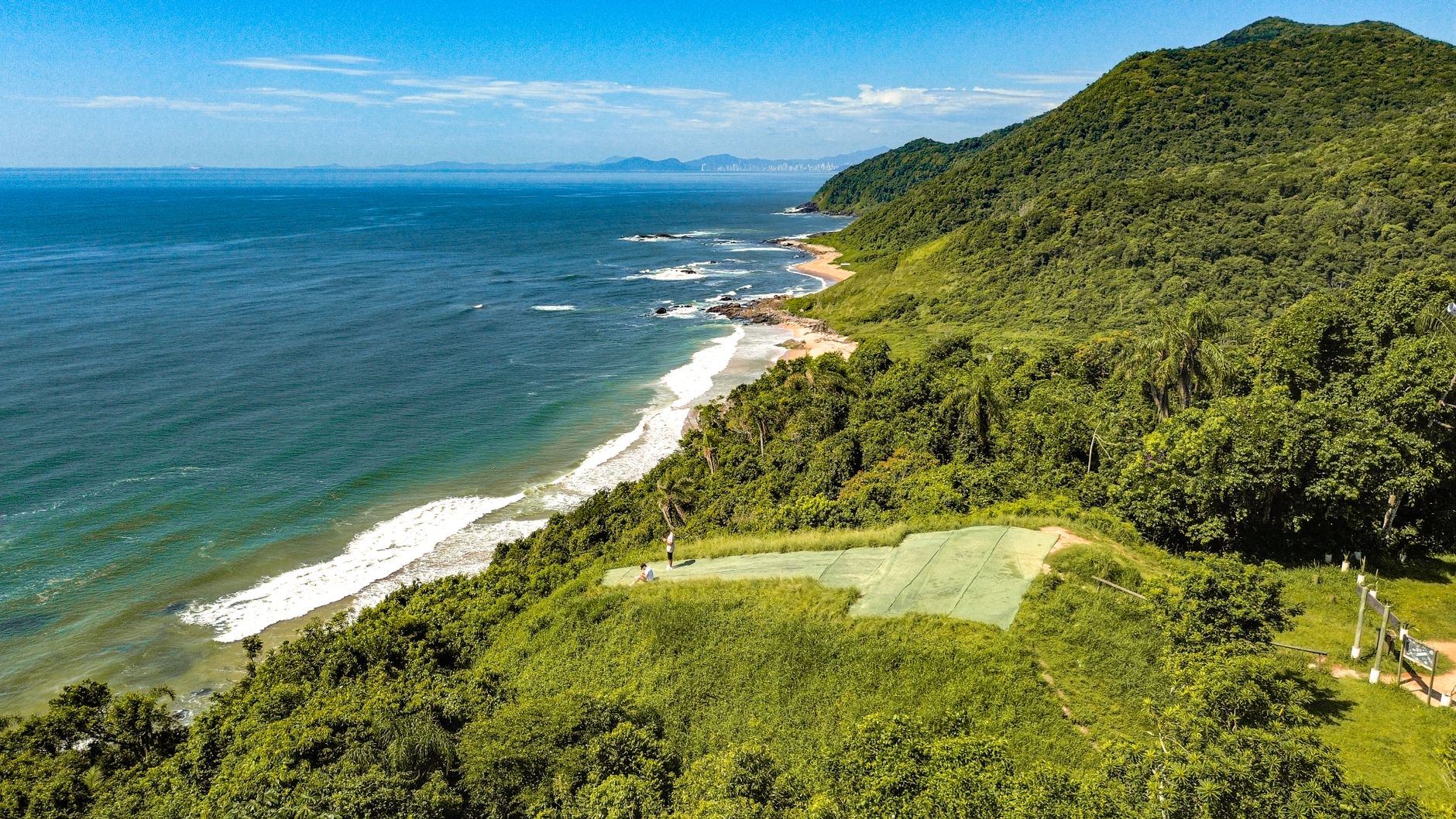
Praia da Guarda do Embaú — the honest number one
Guarda do Embaú, 40 minutes south of Florianópolis, is the beach that consistently wins over both surfers and non-surfers. You reach it by wading across a shallow river mouth or paying R$5 for a canoe ride, which filters out casual crowds. What's on the other side is a two-kilometre arc of pale sand, dramatic dune-covered headlands, and the state's most reliable surf break for intermediate riders. The village behind the beach is small enough to walk everywhere.
It's not perfect — the wind can be fierce in the afternoon, the water is cold May through October, and there's no infrastructure directly on the sand beyond a couple of kiosks. That's the point. If you want beach clubs and rented sunbeds, this isn’t for you. If you want the beach itself, without the beach economy layered on top, Guarda is where you go. Best months: December to April.
Praia do Rosa — the postcard
Praia do Rosa, 30 minutes further south, is the beach that ends up on the postcards. A wide horseshoe of sand, framed by two forested headlands, with the whole bay visible from the ridge road above. The northern end (Rosa Norte) is calmer and the swimming is easier; the southern end (Rosa Sul) has better surf. In whale-watching season (August to October), southern right whales come into the bay and can be seen from the beach with binoculars.
The catch: getting down to the beach involves parking on the ridge and walking down steep stairs. Bring what you need or hire a beach boy to carry cool boxes for R$20. The village above the beach has become expensive — restaurants that were R$60 a head five years ago are R$120 now — but the beach itself is free and unspoiled. Best months: December to March for swimming, August to October for whales.
Praia Mole and Joaquina — Florianópolis surf central
On the east side of Florianópolis island, Praia Mole and Praia da Joaquina are the state's two most famous surf beaches and its most Instagram-heavy. Mole has warmer sand, a young party crowd, and beachfront kiosks selling caipirinhas. Joaquina has better surf, huge sand dunes behind the beach that people sandboard down (board rental R$30), and more space to spread out. Both get slammed in January and pleasantly busy the rest of the year.
Neither is a great swimming beach — the surf is powerful and the currents are real. Watch the lifeguard flags and stay in front of the posts. If you’re travelling with young children, skip both and head to the calmer beaches on the west and south of the island. If you’re travelling as a couple or with older teens, this is where the island's beach-day energy lives. Best months: November to April.
Bombinhas peninsula beaches — calm-water paradise
The Bombinhas peninsula, 70 minutes north of Florianópolis, has the state's calmest and clearest water. Praia de Bombas is the main family beach — long, flat, safe. Praia de Sepultura on the ocean side is smaller, rockier, and one of the best snorkelling spots in the state (R$30 mask rental at the entrance). Praia de Quatro Ilhas has better surf and fewer families. Praia da Tainha, at the peninsula's tip, requires a short walk through Atlantic forest and rewards with near-empty sand.
The whole peninsula is a marine reserve, which is why the water stays clear. It's also why access is controlled in January and Carnaval — a rotating entry system caps daily numbers. Come in December, March, or the June-July mid-year holidays for easier access. If you’re going to Bombinhas specifically for snorkelling, book a boat trip from the Bombinhas town pier (R$120 per person, three hours, includes gear).
Praia da Ferrugem — the underrated one
Ferrugem, just south of Garopaba, is the beach locals send you to when they trust you. Long, wide, backed by grassy dunes, with reliable waves for surfers and enough calm sections for swimmers. The vibe is 30-something Brazilian professionals with young kids, plus a serious surf contingent. Two beach restaurants (Copacabana and Vila do Mar) do excellent grilled fish for R$80 to R$120 a head at lunch. Parking on the road is free, the walk is short.
The neighbouring beach of Praia do Silveira is even quieter and better for the youngest surfers. The one downside of Ferrugem is that it's exposed — when the wind picks up from the south in the afternoon, sand blasting is a real event. Come early, be gone by 4pm. Best months: December through April for water temperature; year-round for the walk and the lunch.
Farol de Santa Marta — the wild south
Farol de Santa Marta, at the southern end of Laguna, is where Santa Catarina's beach coast starts to feel wild. A lighthouse on a headland with 360-degree views, three beaches within walking distance (Praia do Farol, Praia Grande, Praia da Ribanceira), and almost no development. Getting there involves a car ferry across Laguna's lagoon (R$40 per car, 15 minutes) or a longer drive around, which keeps day-tripper numbers down.
Book a pousada in Farol village for a night — small, cheap (R$250 to R$400), simple, brilliant sunsets over the sea because you’re on a west-facing point. This is also where you go to watch fishermen coordinate with wild dolphins to herd mullet — a genuinely unique practice, best seen in April and May near Praia da Tesoura. Bring layers; the wind at Farol never really stops.
Which beaches to actually skip
Skip Balneário Camboriú's central beach unless you’re already staying in the city — it's fine but shaded by high-rise towers from 2pm, packed, and no better than any of the beaches above. Skip Canasvieiras beach as a destination in itself (it's a good hotel base, but the sand is not the point). Skip Ingleses in January unless you like crowds thicker than the water. Skip anywhere with "resort" in front of it that charges for beach access.
And skip the beach clubs in Jurerê if you’re on any kind of budget — you’ll pay R$200 for a sunbed and R$60 for a beer, when the same beach is free 100 metres away. The state has too much good coast to spend it inside a paid perimeter. Book the beaches above and you’ll leave understanding why Santa Catarina is Brazil's coastal favourite for people who live in Brazil.
Good to know
Questions, answered
What's the water temperature like?
Warm enough for comfortable swimming December through April (22-25°C). May and November are borderline. June through October the water is cold — 16-19°C — and only surfers in wetsuits are in it. The southern beaches are consistently a degree or two colder than the northern beaches.
Are Santa Catarina beaches safe for swimming?
The calm-water beaches (Bombinhas peninsula, Praia do Forte, north-island beaches) are safe for children with normal supervision. The surf beaches (Mole, Joaquina, Rosa Sul, Ferrugem) have real rip currents; watch lifeguard flags and stay in front of posts. Red flag means don’t swim, period.
Is there a beach entry fee anywhere?
No — all Brazilian beaches are legally public and free. What you pay for is parking (R$10 to R$30 typically), sunbeds and umbrellas at beach clubs (R$50 to R$200), and access to specific islands like Ilha do Campeche (R$130 including boat and park fee). The sand itself is always free.
Doing good is the business: every booking through Stay Santa Catarina funds one verified tonne of carbon removal — same room, same price, no markup.
Start your search