
 ★ 4.0
★ 4.0Highland town at 980 metres — canyons, Brazil's coldest recorded temperature, waterfalls and the Morro da Igreja cliff.
Urubici sits in the Serra Catarinense at 980 metres altitude, 3 hours west of Florianópolis and worlds away from the coast. It regularly records the coldest temperatures in Brazil — the all-time record of −17.8°C was measured near here in 1952 — and gets legitimate snow most winters (June–August). The landscape is high pasture, native araucária forest, sandstone canyons, and Morro da Igreja, whose vertical basalt face is one of the highest cliffs in southern Brazil (1822 m altitude, 700 m vertical drop) with a rock formation called the Pedra Furada (a natural stone arch).
Go in winter for frost, potential snow, hot wine and thermal blankets — this is a legitimate cold-weather destination in a country that mostly doesn’t have one. Go in summer for hiking, waterfall swimming and canyon trails at 15–22°C. Do not go without a rented car — the sites (Morro da Igreja, Cascata do Avencal, Cânion do Espraiado) are scattered across the sierra 20–60 minutes from Urubici town, and public transport is functionally non-existent for tourists. Pack proper cold-weather clothing June to September regardless of the forecast.
The town itself is small enough to grasp in an afternoon: Praça Anita Garibaldi is the centre, the Igreja Matriz sits across from it, and Rua Antônio Zilli runs two blocks downhill past the tourist office, a couple of pizzerias and the shops selling wool ponchos and homemade licor de amora. By 9pm in winter the square is empty and cold enough that breath fogs under the streetlights — the action, such as it is, happens inside the pousada dining rooms around wood stoves, not on the street. This suits couples and hikers; it does not suit anyone looking for nightlife.
Urubici rewards travellers who want cold-weather novelty, canyon hiking or waterfall swimming and are happy to drive for it. It does not suit anyone wanting a walkable town centre, beach access or a quick day trip without a car — the attractions are 15–30 minutes apart on rural roads, and a visit without a rental vehicle means seeing almost nothing beyond the praça. Families chasing snow photos should budget a full weekend, since snowfall itself is a 2–5 day-per-winter event and most trips see only frost.
Where to stay in Urubici
Urubici town itself has hotels and pousadas at R$180–R$320 year round on Rua Antônio Zilli and around Praça Anita Garibaldi. The rural pousadas (pousadas rurais) in the Serra do Corvo Branco and around the Rio dos Bugres are more atmospheric — working farms with wood-burning fireplaces at R$250–R$450 per night, often including breakfast and dinner. Peak season is July (winter school holidays) and long weekends year-round; book 6 weeks ahead in July. Low season (February–May, September–November) drops the rural pousadas to R$200–R$300 with dinner included and negotiable rates on weekdays. Avoid anywhere more than 10 km outside town advertising itself as central on a map — winding gravel roads make a 6 km distance a 20-minute drive after dark. Anywhere advertising 'chalé com lareira' (chalet with fireplace) is the correct winter choice; book one on or near Rua Antônio Zilli if you want to walk to dinner.
Where to sleep
Hotels in Urubici
Real, top-reviewed rooms — booked at the same live rate through app.impt.io, one tonne of carbon removed per stay.
★ 4.0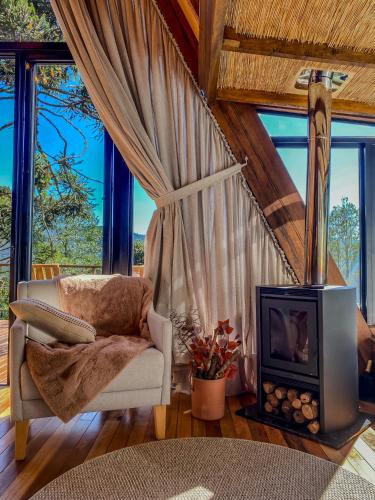 ★ 4.0
★ 4.0 ★ 4.0
★ 4.0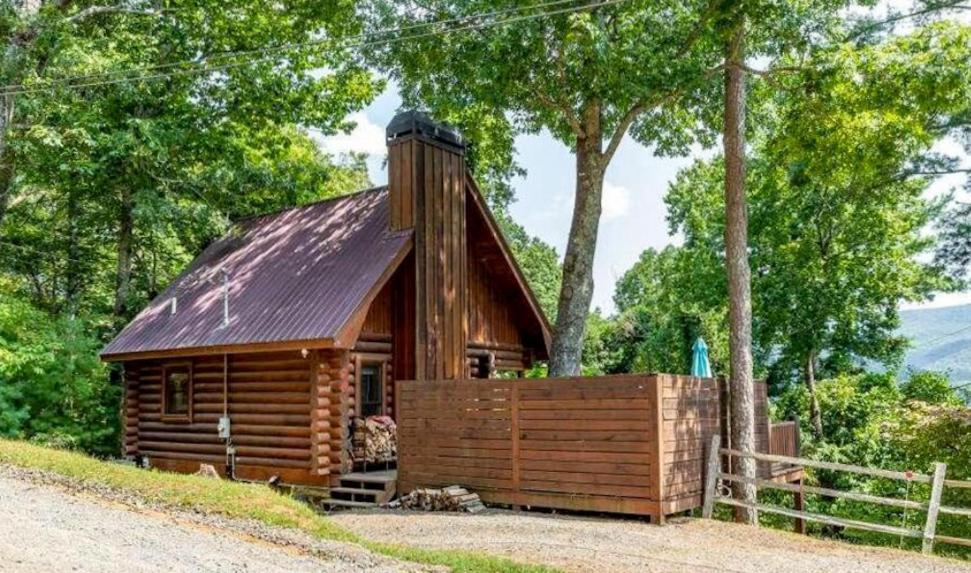 ★ 4.0
★ 4.0On the ground
Things to do in Urubici
- Morro da Igreja and Pedra FuradaThe 1822 m cliff with the natural stone arch is 20 km south of Urubici town in Parque Nacional de São Joaquim. R$25 entry, open 8am–5pm, closed on days of forecast lightning. Short walk (1 km) from the parking area to the viewpoints. Best sunrise (arrive 7:30am) or clear-day midday. Fog closes it half the year.
- Cascata do Avencal100-metre waterfall 12 km northeast of Urubici. R$30 entry, includes access to the platform and (in season) a via ferrata behind the falls. Open 9am–5pm. The lookout is 200 m from the parking; the base pool is 20 minutes down a steep trail. Take swim gear in summer.
- Cânion do EspraiadoSandstone canyon 15 km north of Urubici on the way to Bom Retiro. Guided-only access — book at the Urubici tourist office or through Rota das Cachoeiras. R$120 per person for a half-day guided walk with 3–4 waterfall stops. Not for casual visitors — this is a proper canyon trek.
- Snow watch at Morro da IgrejaJune–August, snow falls at Morro da Igreja perhaps 2–5 days per winter — check the Epagri forecasts. When the forecast calls for it (usually a mass of Antarctic air pushing north), the road up fills with Brazilian snow-tourists. Go on the day after a snowfall for the best conditions.
- Serra do Corvo Branco scenic driveThe cliff-hugging road connecting Urubici to Grão Pará, 20 km southwest of town, cuts through a narrow rock passage with sheer drops either side. Free, open dawn to dusk, best driven slowly with stops at the marked viewpoints. Closes temporarily after heavy fog or rockfall — ask locally before setting out.
- Trout lunch at Rio dos Bugres fish farmsSeveral pousadas and standalone restaurants along the Rio dos Bugres, 8 km from town, raise and serve trout — trutas na manteiga (trout in butter) is the dish to order. R$60–R$90 per person, typically open 11am–3pm for lunch only. Pair with a short streamside walk before or after.
Getting around & the essentials
On foot
Start at the Cascata do Avencal parking area (R$30 entry), walk the 200 m to the upper viewing platform for the 100-metre waterfall shot, then descend the steep signed trail (about 20 minutes) to the base pool. Swim in summer, admire in winter (it's freezing). Return the same steep trail — allow 45 minutes back up. Solid boots essential, especially in winter frost, when the wooden steps ice over.
By road
Essential, no useful public transport
Transport
From Florianópolis airport it's a 3-hour drive west and up on BR-282 through Alfredo Wagner then SC-114/SC-370, Uber R$400+ (rarely used, drivers reluctant), no direct intercity bus. The realistic transport is a rental car from Florianópolis (R$180–R$280/day) — you’ll need it anyway once in the sierra. Alternative: bus to Bom Retiro from Florianópolis rodoviária (R$65, 3h30) then Uber to Urubici (R$50, 40 minutes). Inside town everything within a few blocks of Praça Anita Garibaldi is walkable, but the outlying attractions and rural pousadas are 8–30 km out on gravel roads with no local buses — a car is essential once you arrive.
Good to know
Questions, answered
Does it actually snow in Urubici?
Yes, on 2–5 days per winter typically (June to August), usually at Morro da Igreja and the higher elevations rather than Urubici town itself (which sits at 980 m). Frost is much more frequent — most winter mornings are below freezing. Check the Epagri Ciram forecast the week before your trip; if a 'massa de ar polar' is forecast, expect frost, possible snow above 1400 m, and every pousada with a fireplace fully booked.
Do you need a car to visit Urubici?
Yes, effectively. There is intercity bus service into Urubici town (via Bom Retiro from Florianópolis) but no local buses to any of the attractions — Morro da Igreja, Cascata do Avencal, Cânion do Espraiado are all 15–30 km from town on rural roads. Renting a car in Florianópolis and driving up is the correct approach. In winter check for road conditions; some access roads close after heavy frost.
What is the best time of year to visit Urubici?
July gives the best odds of frost and possibly snow but is the busiest and priciest month, with pousadas booked out weeks ahead. For hiking and waterfall swimming without the crowds, aim for September to November or February to May, when daytime temperatures sit at 15–22°C and rural pousadas drop their rates by around R$50–R$100 a night. December and January are green and pleasant but can bring afternoon storms that close Morro da Igreja.
How far is Urubici from Florianópolis?
It is roughly 170 km, a 3-hour drive on BR-282 and SC-370/SC-114 with no motorway shortcuts — the road climbs steadily into the sierra past Alfredo Wagner. There is no direct bus into Urubici itself; the practical bus route goes to Bom Retiro (R$65, 3h30) followed by a 40-minute Uber. Most visitors simply rent a car in Florianópolis for the whole trip.
Keep exploring
Nearby areas
Doing good is the business: every booking through Stay Santa Catarina funds one verified tonne of carbon removal — same room, same price, no markup.
Start your search