%201988b.jpg?width=1280)
 ★ 4.0
★ 4.0Brazil's highest city — apple orchards, most reliable snowfall in the country, wine at altitude and a national park.
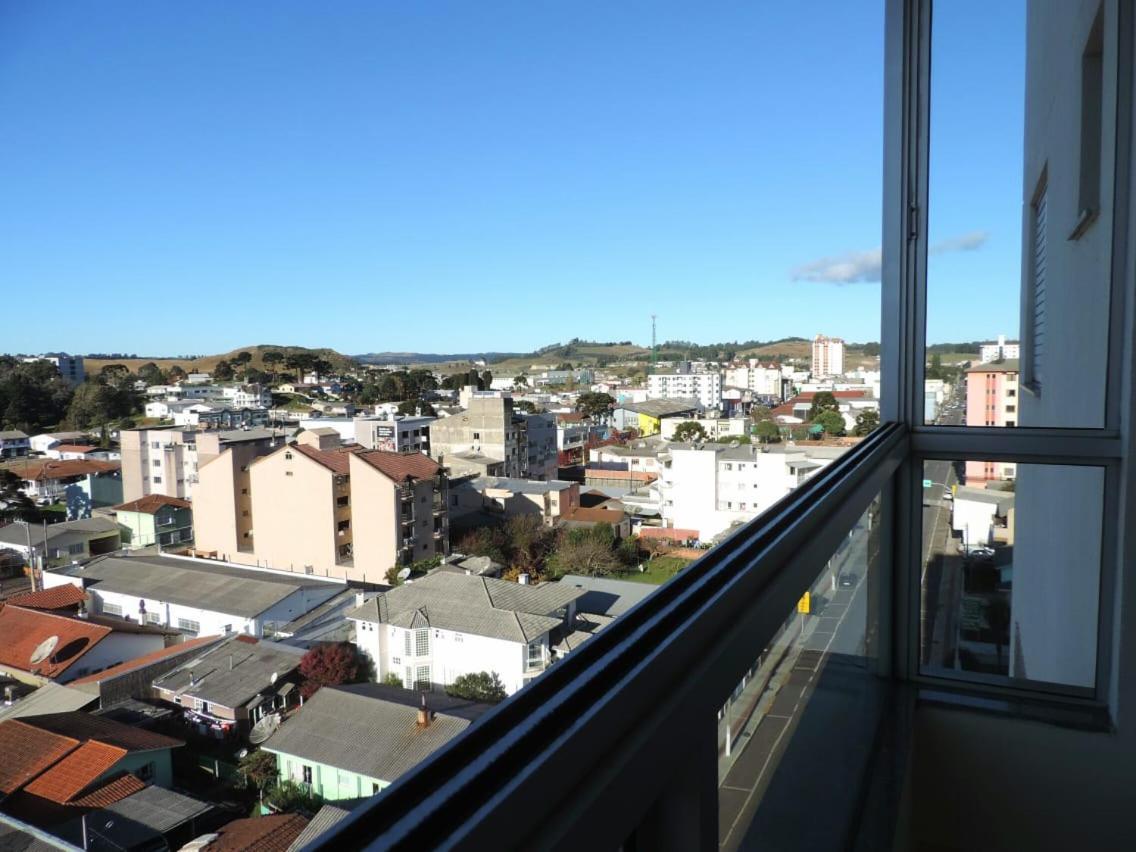
São Joaquim sits at 1420 metres, the highest city in Brazil, and gets the country's most reliable snow — usually 3–8 days per winter (June to September), with some years seeing 20+ centimetres accumulation. The economy is apples (Santa Catarina's apples grow here — 50% of Brazil's production), high-altitude wine (surprisingly good — the Vinícola Villa Francioni and Suzin are the two established labels, both offering tastings), and increasingly, winter tourism. The town itself is functional and cold; the surrounding countryside — orchards, pines, Parque Nacional de São Joaquim — is what you come for.
The pattern here is the same as Urubici: this is a cold-weather destination in a country that mostly ignores cold. Winter (June–September) is packed with Brazilian snow-tourists and every pousada with a fireplace is booked out weeks ahead. Summer (December–February) is 15–25°C daytime, empty tourism, and cheap — the smart season for hiking in the national park (Coxilha Rica, Morro do Cambajuvá) and orchard visits. Autumn (March–May) is peak apple harvest and offers pick-your-own tours through the orchards on the Rota das Frutas.
By 9pm in July, the streets around Praça João Ribeiro are near-empty except for a handful of steamed-up windows serving quentão and fondue — this is not a nightlife town, and the appeal is entirely the cold, the stars and the fire, not the streets. Most shops close by 7pm even in peak season. São Joaquim suits couples chasing snow, retirees on wine tours and families doing the apple harvest; it does not suit anyone wanting bars, live music or a walkable historic centre, none of which exist here.
Restaurants worth seeking out are limited to a handful of fondue and Serrano-cooking houses around the praça and along SC-438 toward the orchards, doing polenta, pinhão and slow-roast pork at R$45–R$70 a main; most close on Mondays. Cider and apple-based liqueurs from the Rota das Frutas cooperatives sell for R$25–R$45 a bottle in the shops near Praça João Ribeiro. Skip the souvenir stalls near the rodoviária selling generic snow-globe kitsch at inflated prices — the same wool ponchos and crocheted beanies are cheaper and better made at the cooperative stalls out along SC-438.
Where to stay in São Joaquim
The town centre around Praça João Ribeiro has hotels at R$200–R$350 year round. The rural pousadas in the surrounding countryside (Serra do Rio do Rastro area, Rota das Frutas, near the Parque Nacional entrance) are the atmospheric choice at R$300–R$500 including breakfast and often a fireplace. Peak season is the July winter holidays and any weekend after a snow forecast; book 6 weeks ahead. Rural pousadas usually require a 2-night minimum in winter. Avoid anything listed as 'centro' online but sitting past the SC-114 junction — it looks close on a map but is an unlit 20-minute walk with no footpath, best not attempted after dark in July. Low season (December–February) drops the same rural pousadas to R$180–R$260 with breakfast and no advance booking is needed. Book a rural pousada near the park entrance or on the Rota das Frutas for the fireplace-and-frost experience the trip is built around — a town-centre hotel gets you the town, not the reason to come.
Where to sleep
Hotels in São Joaquim
Real, top-reviewed rooms — booked at the same live rate through app.impt.io, one tonne of carbon removed per stay.
★ 4.0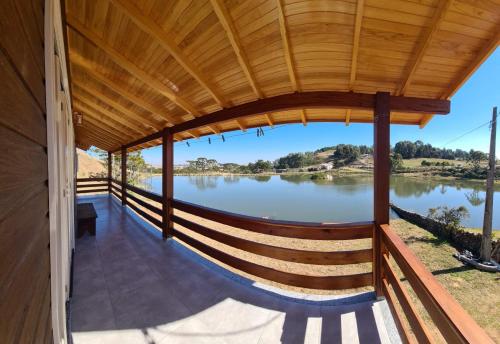 ★ 4.0
★ 4.0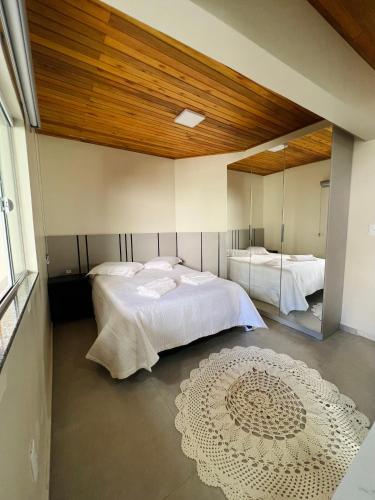 ★ 4.0
★ 4.0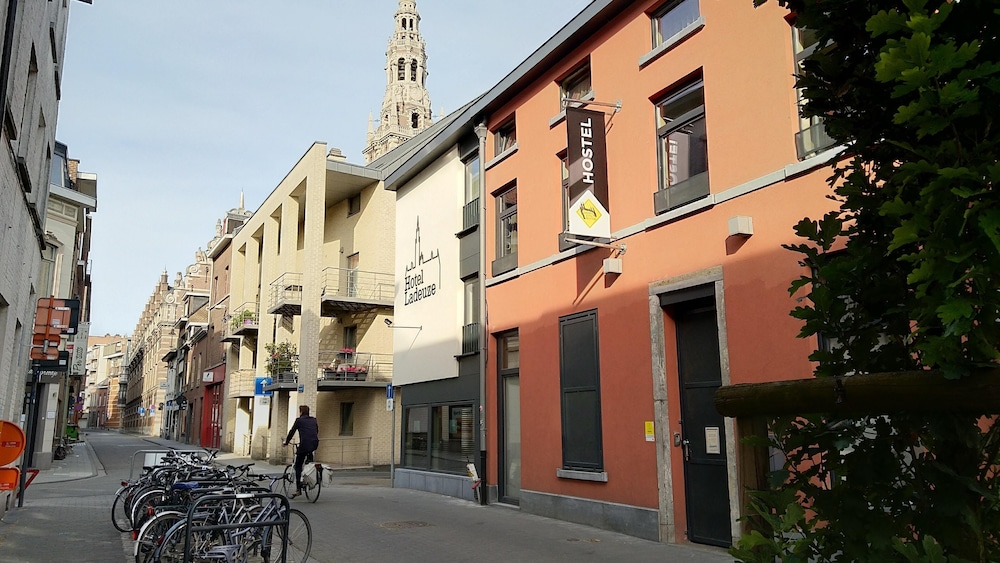 ★ 4.0
★ 4.0On the ground
Things to do in São Joaquim
- Wine tasting at Villa FrancioniThe most established high-altitude winery in Brazil, on Rodovia SC-114 5 km from São Joaquim town. Tastings R$60 for 5 wines with a vineyard walk, open Tuesday–Sunday 9am–5pm, closed Mondays. Book ahead by phone. Their Sauvignon Blanc and Cabernet blends genuinely compete with mid-tier Argentinian and Chilean wines.
- Parque Nacional de São JoaquimThe national park entrance at Coxilha Rica is 30 km south of town on SC-390. R$25 entry, open 8am–5pm. Trails through araucária forest to the Morro da Igreja area (which shares the park boundary with Urubici's side). The Trilha do Coxilha Rica loop is 6 km and takes 3 hours.
- Snow-chase at Serra do Rio do RastroThe road descent from São Joaquim toward Lauro Müller — a series of switchbacks with viewpoints looking down 1000 metres to the coastal plain. Best viewpoint at Mirante da Serra do Rio do Rastro. R$0 (free), 30 minutes from São Joaquim. In winter it's the most reliable snow spot in Brazil after the highest peaks.
- Apple orchard visitRota das Frutas — the signed circuit through orchards northeast of town. March–May is harvest; pick-your-own days at Sanjo cooperative on SC-438. R$25 entry includes a bag of apples. Otherwise the orchards operate year-round tourism with a small shop and tastings of ciders and juices.
- Praça João Ribeiro and Sunday marketThe town's central reference point, with the Igreja Matriz on one side and a Sunday-morning market (roughly 8am–1pm) selling apple cider, pinhão, wool ponchos and preserves from the surrounding cooperatives. Free to browse; jars of apple preserve run R$18–R$25. Best used as an orientation stop before heading out to the orchards, the winery or the park.
- Fondue and Serrano cooking near the praçaA handful of fondue and Serrano-cooking restaurants cluster around Praça João Ribeiro and along the roads out toward SC-438, serving polenta, pinhão and slow-roast pork for R$45–R$70 a main from around 6pm. Most close on Mondays, and by 10pm even in peak winter the streets are dead — eat early.
Getting around & the essentials
On foot
Start at the Parque Nacional de São Joaquim entrance at Coxilha Rica (R$25 entry). Follow the signed loop trail through araucária pine forest and open pasture, past the Cascata do Coxilha Rica (small but pretty), and around the Morro do Rincão viewpoint. About 3 hours at a moderate pace. Solid boots essential — the trail is muddy year-round and frosted in winter. Bring water and a windproof layer regardless of season — at 1400m plus altitude the wind across the open pasture sections drops the felt temperature well below the forecast, even in summer.
By road
Essential
Transport
From Florianópolis 3h30 west and up on BR-282 to Alfredo Wagner, then SC-114 up the Serra do Rio do Rastro to São Joaquim. Rental car essential — no direct intercity bus. From Urubici 45 minutes north on SC-114. Approximate driving time from Porto Alegre 4h30. Inside São Joaquim the town centre is walkable but for orchards, wineries and the national park you need a car — Uber operates only within town. The nearest airport is Florianópolis (Hercílio Luz International), roughly 4 hours by car; there is no shuttle service, so arrange a rental car at the airport before heading up. Fuel up before leaving Alfredo Wagner — the last reliable fuel stop before São Joaquim on SC-114 is there, and stations in town itself keep shorter winter hours.
Good to know
Questions, answered
When is snow most likely in São Joaquim?
The most reliable window is the second half of July into early August, when Antarctic air masses regularly reach this latitude. Usually 3–8 days of snowfall per year, with maybe 1–2 days of proper accumulation (5–15 cm). Check the Epagri Ciram or Metsul forecasts — if a strong polar mass is forecast to reach 'a região Sul' (the south region), expect snow at 1400+ m altitude within 48 hours.
Is the wine actually good?
Better than you’d expect. High altitude gives a slow ripening and good acidity — Villa Francioni's Sauvignon Blanc and their Cabernet-Merlot blends have won South American competitions. It's not Bordeaux or Mendoza, but for Brazilian wine it's genuinely surprising. Bottles R$60–R$180 at the vineyard, roughly double retail price elsewhere in Brazil.
How cold does it get in São Joaquim?
Winter nights regularly drop to -2°C to -5°C and have recorded lows near -8°C in the surrounding countryside; daytime highs in June–August average 8–13°C. Frost on the ground is normal on winter mornings even without snowfall. Pack proper thermal layers — Brazilian coastal winter clothing is not warm enough here.
Do I need a car in São Joaquim?
Yes. There is no intercity bus and no local transit network beyond a small in-town taxi and Uber service that does not reach the orchards, winery or national park. Everything worth doing — Villa Francioni, the Rota das Frutas, Coxilha Rica, Serra do Rio do Rastro — is 5 to 30 km outside town on rural roads. Rent in Florianópolis or Porto Alegre before arriving.
Keep exploring
Nearby areas
Doing good is the business: every booking through Stay Santa Catarina funds one verified tonne of carbon removal — same room, same price, no markup.
Start your search