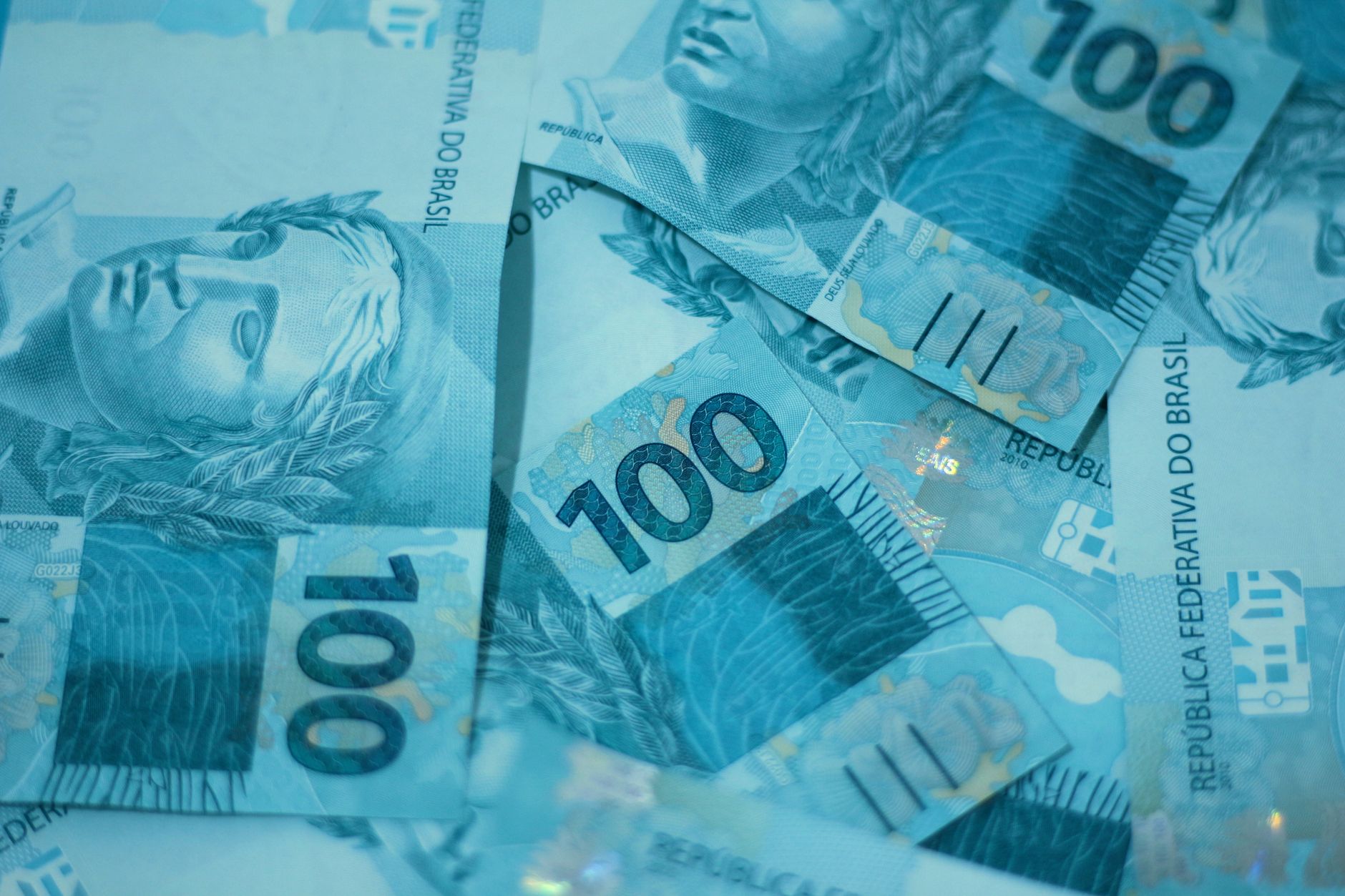
Cards work almost everywhere — with two exceptions
Visa and Mastercard are accepted at essentially every restaurant, hotel, supermarket, petrol station and shop in Santa Catarina, from central Florianopolis to a pousada in Urubici. American Express is patchy — accepted at chain hotels, resort restaurants in Jurere and Balneario Camboriu, refused at smaller places. Contactless works on modern terminals in the cities; older machines in beach kiosques still require chip and PIN. Card fraud is not more common here than in Europe or the US, but always keep the card in your sight when the waiter brings the maquininha (portable terminal) to the table, which is standard practice throughout Brazil.
The two settings where cards fail: some beach vendors on the sand, and street food from small carts. Grilled cheese on Praia dos Ingleses, pastel from a Saturday morning feira, a coconut on Bombinhas beach — all of these want cash or Pix. Toll booths on the BR-101 accept cards but only if you queue in the manual lane; the automatic ones require Sem Parar transponders which rental cars rarely carry. Budget R$20-30 in R$5 and R$10 notes per day for these situations even if you plan to card everything else.
Pix: the app-based payment method locals actually use
Pix is the Brazilian central bank's instant transfer system, and in 2026 it is the dominant way locals pay for everything from a R$8 espresso to a R$400 dinner. You scan a QR code at the till, confirm the amount in your banking app, and the money arrives in the merchant's account in under five seconds with zero fees. Foreign tourists cannot easily use Pix because you need a Brazilian bank account or a CPF (tax number) to register. Some fintech apps like Wise and Nomad now offer limited Pix functionality to foreigners, but for a two-week trip it is not worth the setup effort.
What matters to you as a visitor: because locals use Pix, some small businesses give discounts of 5-10% for Pix payments and add small surcharges for card. This is not aimed at tourists but you may see it on menus ("a vista" or "em dinheiro/Pix" prices vs credit card prices). If you are travelling with a Brazilian friend or partner, having them Pix small merchants and reimburse them in card charges to your account can save meaningful money over two weeks. On your own, just accept that you will pay the slightly higher card sticker price.
ATMs: which ones work with foreign cards
Not all Brazilian ATMs accept foreign cards, and the ones that do charge withdrawal fees of R$25-30 per transaction on top of whatever your home bank charges. The reliably foreign-friendly networks are Banco do Brasil, Bradesco, Itau and Santander. Banco24Horas machines (found in shopping centres and petrol stations) also usually work but with higher fees. Caixa Economica Federal machines almost never work with foreign cards. At Floripa airport there are Banco do Brasil and Bradesco ATMs in the arrivals hall which are your best first stop — withdraw R$1,000-1,500 to minimise repeat fees.
Daily withdrawal limits are set by the ATM itself, usually R$1,000-2,000 per transaction and R$3,000-5,000 per 24 hours regardless of what your home bank allows. Many machines in Brazil have a night-time withdrawal cap (often R$100 between 10pm and 6am) as an anti-robbery measure, so plan your ATM runs for daylight. Machines inside bank branches or shopping malls feel safer than street-corner ones, particularly in Centro Florianopolis and around bus terminals. Never accept help from strangers at an ATM, and always shield the keypad.
Currency exchange: do it at home or at the airport
Bringing US dollars or euros to exchange in Santa Catarina is generally a worse deal than withdrawing reais from an ATM. Exchange offices at Floripa airport (casas de cambio) give reasonable rates for a currency exchange counter but still 3-5% off the mid-market rate. Downtown Florianopolis has a couple of exchange houses on Rua Felipe Schmidt with slightly better rates, but the taxi ride there and back eats the difference. Hotel exchange rates are terrible everywhere; use them only for emergencies.
Traveller's cheques are effectively dead in Brazil — do not bring them. Bringing R$5,000 in cash into the country requires a customs declaration; below that, no declaration needed. If you must exchange, bring pristine US$100 bills (any tear, mark or fold and the rate drops or the note is refused). Euros are accepted but at worse rates than dollars. Australian dollars, Canadian dollars and British pounds are exchangeable only at central branches of major banks in Florianopolis. The whole exercise is easier and cheaper if you just use a debit card with low foreign fees at an ATM on arrival.
The best foreign cards to bring
Chase Sapphire and Capital One cards from the US, Wise debit cards, Revolut, and any European card with no foreign transaction fees will save you meaningful money over a trip. Wise gets you close to mid-market exchange rates and works at Banco do Brasil ATMs with only the R$25-30 Brazilian machine fee. Revolut works well too but occasionally trips fraud detection on first use in Brazil — notify them of travel dates in advance. Bring at least two different cards from two different networks (one Visa, one Mastercard) in case one gets blocked or the machine eats it.
Debit cards work at ATMs; credit cards mostly do not, and if they do the transaction is treated as a cash advance with immediate interest. For card payments in shops and restaurants, credit cards give better protection against fraud and often better exchange rates than debit. The single most important thing you can do: tell your home bank you are travelling to Brazil for the specific dates. Fraud algorithms flag first-time Brazilian charges aggressively and having a card frozen on your first dinner in Lagoa is an entirely avoidable problem.
How much cash to actually carry
For a normal beach-and-food trip in Santa Catarina, R$200-300 in cash on your person per day is more than enough. Break that into a couple of R$50 notes, several R$20s, and R$5s and R$10s for tips, beach snacks and small purchases. Do not carry R$100 notes for everyday use — vendors often struggle to make change and some outright refuse them. ATMs frequently dispense R$50s and R$20s, occasionally R$100s at higher withdrawal amounts. Keep the bulk of your money on cards and in your hotel safe, and refill your wallet each morning.
The reason to carry any cash at all: beach kiosques on busier days sometimes lose card signal, some smaller pousadas ask for a cash deposit at check-in, taxis in areas like Garopaba and Praia do Rosa can be older cars without card machines, and the toll booths on the coastal road need cash for the manual lane. R$50-100 per person as an emergency stash in a separate pocket or your hotel safe covers the "my card just got declined" scenario. Never keep all cash and cards together, and never in a back pocket in busy areas like the Centro Florianopolis bus terminal.
Prices to calibrate against
For sanity: a coffee at a padaria is R$5-8, a caipirinha at a beach bar is R$18-30, a pastel from a market stall is R$8-15, a por-kilo lunch is R$45-70 per person, a sit-down dinner with drinks in Lagoa is R$120-180 per person, and a nice tasting menu at a top Florianopolis restaurant runs R$250-400. Uber from the airport to Jurere is R$80-120, to Lagoa R$60-90. A rental car is R$150-250 per day plus fuel at roughly R$6 per litre. Long-distance intercity buses (Florianopolis to Balneario Camboriu, say) cost R$25-45.
Hotels vary wildly. Hostel dorms in Lagoa or Ingleses run R$80-140 per bed per night. Simple pousadas in Garopaba or Bombinhas are R$220-400 per double room. Mid-range hotels in central Florianopolis are R$350-550 per night. Beachfront resorts in Jurere Internacional and Balneario Camboriu range R$700-1,800 per night in high season. Summer (December to February) doubles most of these numbers; May to August cuts them by 30-40%. Knowing these ranges means you can spot when something is genuinely a bargain or genuinely a rip-off, and it stops small tourist markups from feeling like scams.
Good to know
Questions, answered
Do I need to bring cash to Brazil at all?
Not really. Withdrawing R$1,000 from a Banco do Brasil ATM at Floripa airport on arrival covers everything cash-based for your first few days. Bringing US dollars or euros for exchange gives you worse rates than the ATM. Bring one small emergency reserve (US$100-200) sealed in your luggage in case cards fail, and treat it as insurance rather than spending money.
Are contactless payments and Apple Pay common in Santa Catarina?
Contactless via card tap works at most modern terminals in Florianopolis, Balneario Camboriu and Blumenau. Apple Pay and Google Pay linked to a foreign card work anywhere the terminal takes contactless, which is roughly 80% of establishments in 2026. Smaller pousadas, beach vendors and rural restaurants in places like Urubici often still require chip and PIN or cash.
What is the best way to pay for hotels?
Book on international platforms (Booking, Expedia) with a credit card that has no foreign transaction fees, or pay at the property with the same card. Some pousadas offer 10-15% discounts for Pix or cash payments on arrival, which foreign visitors cannot easily access. If a hotel offers a discount for direct bank transfer to a Brazilian account, that is a Pix discount — polite refusal is fine.
Will my US card be declined the first time I use it in Brazil?
It might, especially at ATMs. Call or app-message your bank before flying and set travel notifications for Brazil covering your full trip dates. Even then, some banks flag first-transaction fraud automatically; the fix is a two-minute call. This is why bringing two cards from two different banks matters — if one freezes, you have a backup while you sort the other.
Doing good is the business: every booking through Stay Santa Catarina funds one verified tonne of carbon removal — same room, same price, no markup.
Start your search