Culture & sights
Santa Catarina's German heritage route: Blumenau, Pomerode, Joinville and Treze Tilias
A 5-day themed loop through the state's German-Austrian settlements, with 4 breweries and 2 real museums.
Why this route exists
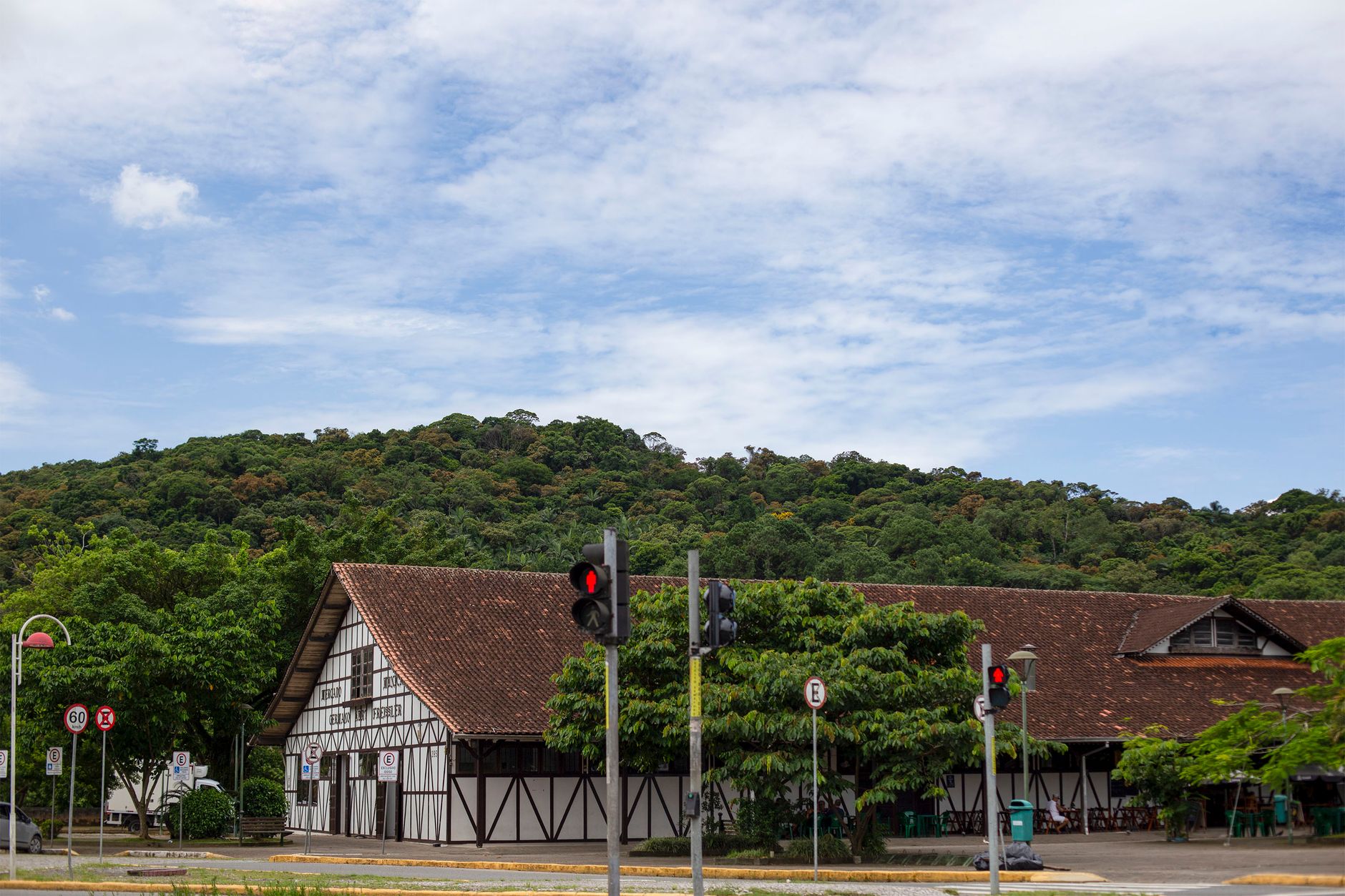
Santa Catarina received roughly 60,000 German immigrants between 1850 and 1914, plus a smaller Austrian wave in the 1930s. The towns they built kept the language, the architecture and the beer culture, and the surviving pockets are close enough to loop in five days from Florianopolis airport. The route is Florianopolis to Blumenau (day 1), Blumenau to Pomerode (day 2), Pomerode to Joinville (day 3), Joinville to Treze Tilias (day 4), Treze Tilias back to Florianopolis (day 5). Total driving: about 890 km, mostly on paved dual carriageway with one mountain crossing.
This is a culture trip, not a beach trip, so the calendar matters. Go in October for Oktoberfest in Blumenau, which is the second-largest in the world by attendance and runs three weeks with genuine German bands flown in. Go in July for the Treze Tilias Tirolerfest, smaller but more atmospheric. Avoid January-February: the coastal towns of Joinville and Blumenau hit 35C with 85% humidity and the beer halls are miserable. April-May and September-October are the sweet spots for weather.
Day 1: Florianopolis to Blumenau
Pick up the car at Floripa airport by 10am and drive north on BR-101 to Itajai, then west on BR-470 to Blumenau. It's 150 km and 2h30 with light traffic, 3h30 on a Friday afternoon. Arrive for lunch in Vila Germanica — the pedestrianised strip is tourist-shaped but the mid-tier restaurants do a fair marreco recheado (stuffed duck) with red cabbage and spaetzle for R$85-110. Skip the chain places on the main square. Afternoon: the Museu da Cerveja is small but honest at R$18 entry, and the Vila Itoupava neighbourhood 20 km north still has functioning German-speaking farming families and half-timbered farmhouses worth an hour's slow drive.
Sleep in Blumenau centre, near XV de Novembro street, for walkable evening drinks. Mid-range hotels run R$320-450, with the older German-themed ones at the higher end. Dinner at a Kellerbier-focused pub: try the Eisenbahn or Bierland taproom (both are proper brewery-owned bars, not licensed re-sellers), where a 500ml pilsner is R$18-24 and a plate of sausages and potato salad is R$55. If it's a Friday or Saturday, book — locals fill these places from 8pm.
Day 2: Blumenau to Pomerode via the brewery back road
Pomerode is 34 km north-east of Blumenau and is officially Brazil's most German town — over 60% of residents still speak Pommeranian German at home. Take the SC-418 back road, not the highway, and stop at two farm breweries en route: they open at 11am and do R$40 flights of 5 beers with a plate of cured meats. By 1pm you should be in Pomerode centre. The Museu Pomerano covers immigration history seriously, in a real historic house, for R$15. Walk the pedestrian strip: it's short (400 metres) but the enamelware shops and clock-maker are working businesses, not tourist props.
Afternoon: rent bicycles from a shop near the main square (R$45 for 4 hours) and ride the Rota Enxaimel, a 20-km signposted circuit of half-timbered farmhouses, most still lived in. The route is mostly flat, on quiet back roads with light farm traffic. Return by 6pm for dinner at a rural restaurant on the outskirts — the R$95 fixed menu of colonial pork, sauerkraut, red cabbage and homemade pasta is the town's benchmark meal. Sleep in Pomerode itself in a small family pousada at R$280-380; the two Blumenau-based tour groups that stop here don’t overnight.
Day 3: Pomerode to Joinville
Drive Pomerode to Joinville via Jaragua do Sul on the SC-416, 75 km and 90 minutes. Joinville is the biggest city on this route (600,000 people) and feels least like a heritage town — it's a working industrial hub with a German bone structure. Focus on three things and skip the rest. First, the Museu Nacional de Imigracao e Colonizacao (R$10, closed Mondays), housed in the 1870 imperial palace and genuinely the best telling of the German-Brazilian story anywhere. Second, the Rua das Palmeiras, an avenue of 130-year-old palms leading to the museum, which photographs better than it walks.
Third, the Bolshoi school — Joinville hosts the only Bolshoi Ballet school outside Moscow, and if you time it for a public performance (usually Wednesdays and Fridays in season) tickets are R$30-80 and remarkable value. Dinner: the German restaurants in Joinville are a step below Blumenau and Pomerode. Instead, eat Italian-Brazilian at a rodizio in the Bucarein district — R$75 for unlimited grilled meats. Sleep in a business hotel near the centre, R$280-380, or pay R$450-550 for one of the older heritage-style hotels near the palm avenue if atmosphere matters.
Day 4: Joinville to Treze Tilias
This is the longest driving day: 380 km, 5 hours, crossing the state west via BR-470 and BR-282. Leave by 8am. Treze Tilias is Austrian, not German — founded in 1933 by Tyroleans and still culturally distinct, with painted alpine facades, wood-carving workshops and its own dialect. The town is small (7,000 people) and can be walked in 90 minutes. Arrive by 1.30pm, lunch at a family restaurant near the church (Austrian goulash, dumplings, apple strudel — R$70-95), and spend the afternoon in the wood-carving ateliers where craftsmen still train apprentices in the Grodner Tal tradition. Pieces run R$180 for a small santo to R$4,000 for a large nativity.
The Museu Municipal (R$8) covers the 1933 founding and the ongoing exchange with Austrian Tyrol. It closes at 5pm. Dinner is best at one of the two pousada restaurants that keep alpine kitchens — expect fondue, raclette and Austrian wines from the small local cellar, R$120-160 a head with wine. Sleep in Treze Tilias in an alpine-style pousada, R$380-550 in low season and R$650-900 during Tirolerfest (July). Book Tirolerfest six months out; the town has fewer than 400 beds and fills entirely.
Day 5: Treze Tilias to Florianopolis
It's 420 km back to Florianopolis on BR-282, roughly 5h30 with stops. Break the drive in Lages for lunch — the churrasco culture here is the state's best, with wood-fired pit barbecues and R$90 all-you-can-eat menus that Argentine visitors respect. From Lages the road descends the coastal escarpment into Sao Jose and Florianopolis. Aim to reach the airport by 5pm for evening flights, or 3pm if you’re continuing to a beach base for the weekend.
If you have an extra half-day, detour via Rancho Queimado on the descent for a colonial-Italian bakery stop — the region's polenta and salumi traditions overlap with the German ones and the R$45 tabua de frios (charcuterie board) is a proper meal. Total trip cost, self-drive, for two people including car, fuel, tolls, 4 nights mid-range accommodation, museum entries and 10 meals: R$4,800-6,200 depending on how much beer you drink and whether you buy a wood carving. Adjust upward by R$1,200 if you hit Oktoberfest or Tirolerfest week.
Where the route disappoints
Blumenau's Vila Germanica is more theme park than heritage — the buildings are 1980s pastiche, not 19th-century originals. The real historic architecture is scattered on side streets and in the outer neighbourhoods like Itoupava, which most tourists never reach. If you arrived expecting Rothenburg ob der Tauber, you’ll be disappointed; Pomerode is closer to that but a fraction of the scale. Manage the expectation and both towns reward you.
The German-language culture is genuinely fading. Under-30s in Pomerode mostly speak Portuguese as a first language and English better than German. The old bilingual signage is preserved for tourism, not necessity. This is not fake, exactly, but it's not the living German-speaking culture of 30 years ago either. The best encounters are in the smaller farming hamlets — Rio da Luz outside Jaragua, Testo Alto outside Pomerode — where older residents still gossip in Hunsruckisch or Pommeranian over the fence.
Good to know
Questions, answered
Do I need to speak German?
No. Portuguese is universal, English is common in hotels and tourist restaurants, and German is only useful with older residents in rural areas. Museum labels are Portuguese with some English; brewery tours are Portuguese with occasional English guides on request. A phrasebook adds charm but no practical need.
Is Oktoberfest in Blumenau worth planning around?
If you like beer festivals, yes — it's 700,000 attendees over three weeks in October with real German brass bands, and a day pass is R$50. Hotel prices double and book out 3 months ahead. If you want to see the towns properly, avoid Oktoberfest week: Blumenau is crushed and Pomerode overflows with day-trippers.
Can this route be done by bus?
Partially. Blumenau, Joinville and Pomerode are connected by regular intercity buses (R$25-45 per leg, 1-2h each). Treze Tilias is the problem: only one direct bus a day from Florianopolis, 8 hours, and no easy loop back. If you skip Treze Tilias, the German-town core works fine without a car.
Doing good is the business: every booking through Stay Santa Catarina funds one verified tonne of carbon removal — same room, same price, no markup.
Start your search