Seasons & events
Winter in the Santa Catarina serra: June to August in Urubici and Sao Joaquim
The three months when the mountains freeze, the apple orchards go bare, and a pousada with a wood stove costs R$450 on a Saturday.
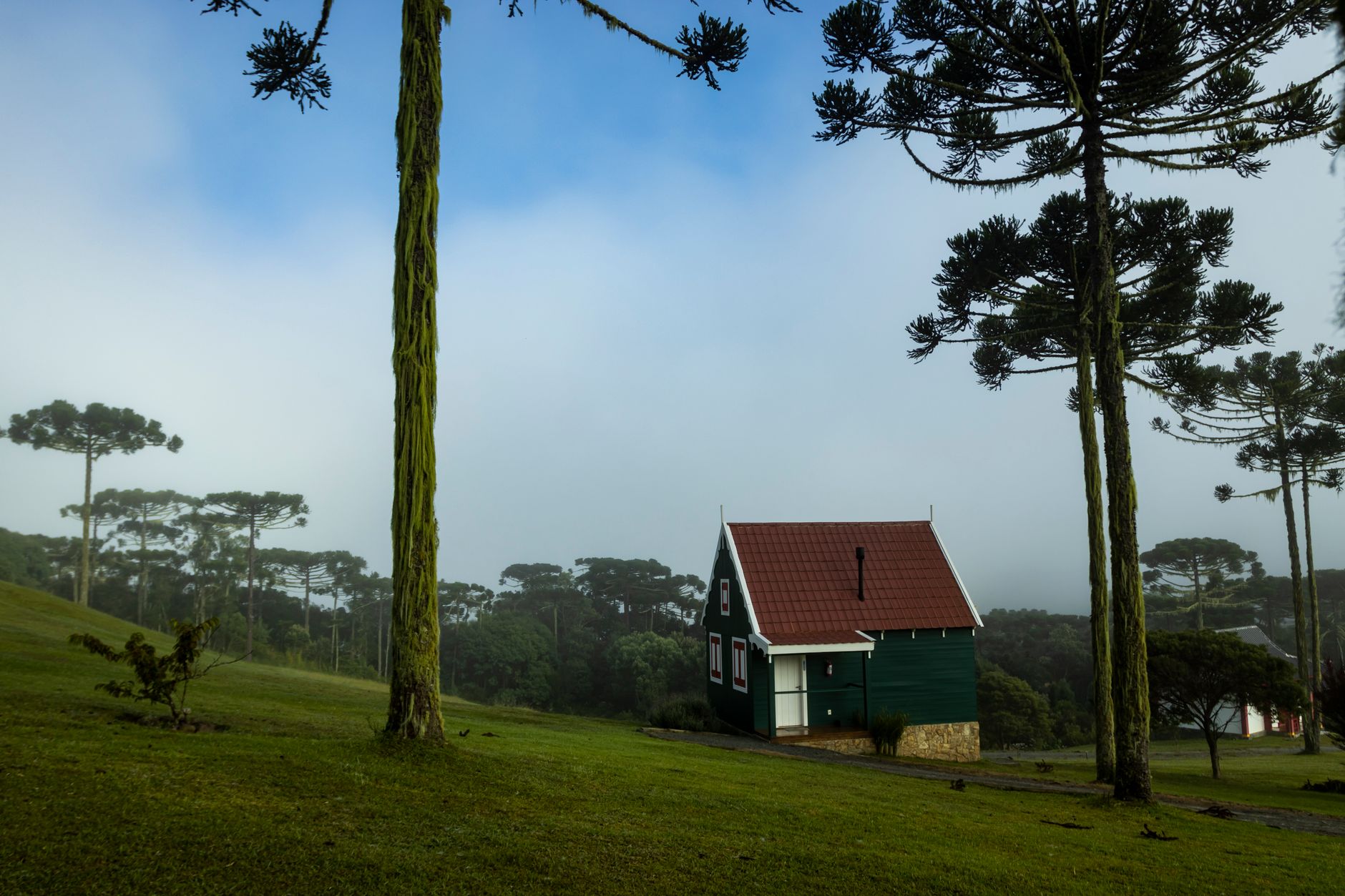
The serra is a different country in winter
Fly into Florianopolis in July, drive three hours west and 1,200 metres up into the serra catarinense, and you have arrived somewhere that behaves nothing like the coast. Where Floripa is 18°C and drizzly, Urubici is -2°C at dawn and clear. Where the beach pousadas are half-empty and cheap, the mountain pousadas are full and expensive. Where the coastal calendar is a summer story, the serra's whole tourism year is built around June, July and August. This is the region's other high season, and it runs on frost, apples and a slim chance of snow.
The heart of it is a triangle: Urubici, Sao Joaquim, and Bom Jardim da Serra. Add Treze Tilias further west for the Austrian-village routine and Lages as the transit hub, and you have the whole scene. Distances are short — 40 minutes between the three main towns — but the roads are winding and you want daylight for the drives. Fuel up in Lages or Urubici, not in the villages, and check tyres if the forecast mentions ice.
June: the shoulder before the freeze
June is the run-up. The first hard frosts arrive in the second week, dawn temperatures drop to 0-4°C, and the araucaria forests turn from green to that particular dry winter green they hold until September. Daytime is deceptively mild — 14-18°C in bright sun — but the moment cloud rolls in it feels 10 degrees colder. Pousada rates in Urubici sit at R$320-450 through most of June, jumping only for the Corpus Christi long weekend (4 June in 2026) when they hit R$500-650 with three-night minimums.
June is the sensible month if you want the winter serra without the winter serra prices. The apple harvest around Sao Joaquim is finishing and you can still buy directly from the pomares (orchards) along the SC-114. Morro da Igreja is open, the road is dry, and on a clear morning the Pedra Furada rock formation floats above the cloud layer. Wine tastings at the vineyards around Sao Joaquim — the highest wine region in Brazil at 1,400 metres — are quiet and unhurried in June. Two nights up here plus three on the coast is a proper trip.
July: the peak, and the snow chase
July is when the serra earns its keep. School holidays fill every good pousada from 6 to 26 July, prices jump 60-80% over June, and a wood-stove room in Urubici that ran R$380 in June is R$620-780 in July. The three or four pousadas with actual private hot tubs and mountain views clear R$900-1,300 a night and sell out by April. Reservations are essential — showing up without one on a July weekend means driving back down to Lages to find a bed.
The obsession is snow. Sao Joaquim, at 1,400 metres, gets a light dusting somewhere between three and eight times a winter, usually in July. When the forecast picks it up 48 hours out, the whole town books out and the BR-282 backs up with Sao Paulo plates. If snow is your goal, understand the odds: any given July week has maybe a one-in-three chance of a flurry, one-in-eight of accumulation you can photograph. Go for the frost, the fires and the food, and treat snow as a bonus.
August: the last cold month
August splits like May does on the coast: the first half is deep winter, the second half is spring's rehearsal. Early August still delivers -3°C dawns and the possibility of snow. Late August brings the first flowering of the ipes and the araucaria pollen dust. Prices ease from the July peak — R$400-550 for a good pousada double, R$300-400 for a simpler one — but the weekends still fill because Brazilian domestic tourism knows August is the last cheap-ish winter window before spring hits.
August is the best month for the Serra do Corvo Branco drive between Urubici and Gravatal — the road descends 900 metres through a narrow gorge cut into black basalt, and the winter light through it is extraordinary. It is also the tail of the trout season: the peixes na telha (trout served on a roof tile) at the pousadas along the SC-370 are still on every menu, and August is when they are at their best because the fish have fattened over winter. Budget R$85-110 for a two-person portion with sides.
What a room costs, and where to sleep
Rough rates for a mid-range pousada double with breakfast: June R$320-450 (weekends R$400-550), July R$550-780 (weekends R$650-900), August R$400-550 (weekends R$500-650). Simpler rural pousadas run R$220-350 all winter. The high-end places with private saunas and mountain-view hot tubs sit at R$800-1,400 in June and August, R$1,100-1,800 in July, and they are the ones to book five months out.
Where to base yourself depends on what you want. Urubici is the tourist hub — most restaurants, easiest access to Morro da Igreja and the Serra do Corvo Branco. Sao Joaquim is quieter, higher, closer to the wine country and the snow chances. Bom Jardim da Serra is the smallest and prettiest of the three but has only a handful of pousadas. Treze Tilias, 90 minutes further west, is a separate experience — Austrian-descended village, chalet-style pousadas, wood carving workshops — and it books out for its July Tirolerfest around the second weekend.
The drives, and the ice question
The serra roads are excellent by Brazilian standards but they demand respect in winter. The BR-282 from Lages up to Sao Joaquim is fully paved and safe in daylight. The SC-114 from Sao Joaquim down to Urubici is fine. The SC-370 up from the coast through Rancho Queimado is the most-used approach from Florianopolis — three hours in good weather, four with fog. The one to know about is the Serra do Corvo Branco descent: paved now but narrow, with hairpins, and genuinely dangerous when wet or icy. Do not drive it after dark in winter.
Ice on the road is rare but real. When it happens, it is dawn on clear mornings after a hard frost, on the shaded curves above 1,200 metres. Locals wait until 9am to start driving on those days. A regular hire car is fine — nobody rents chains and nobody expects you to have them — but if the forecast shows -5°C overnight, delay your morning departure until the sun has been on the road for an hour. Take the SIM card map cache offline before you leave; mobile signal drops in valleys.
The coast plus the serra: how to split it
The strong move in winter is a combined trip. Fly into Florianopolis, spend two or three nights on the coast (Lagoa da Conceicao is the right base in winter — everything walkable, most restaurants still open, prices at annual lows around R$260-360 for a good pousada double), then drive up to the serra for three or four nights. Or reverse it and end at the coast. Total drive from Lagoa to Urubici is about 3.5 hours; from Urubici to Praia do Rosa (a nice southern coast base) is closer to three hours down through Bom Jardim and Grao Para.
Do not try to day-trip the serra from the coast — it is technically possible but wastes six hours of driving on a day that should be spent looking at cloud layers from a viewpoint. Two nights minimum, three ideally, and if snow is the goal you want at least four to give the weather a chance. The winter serra is one of Brazil's genuinely unusual experiences, and it deserves the full stop of a proper stay rather than the comma of a detour.
Good to know
Questions, answered
Does it actually snow in the Santa Catarina serra?
Yes, several times most winters, mostly at Sao Joaquim (1,400m) and Morro da Igreja (1,822m). Light flurries are common in July; accumulation you can photograph happens two to four times per winter on average; a proper covering that lasts a day is rarer, maybe once every two or three years. June and August also produce snow but less often than July.
How cold does it get and what should I pack?
Dawn temperatures of -3 to 2°C are normal in July, occasionally -8°C in a cold snap. Daytime highs of 12-18°C in sun. Pack a proper winter coat, layers, waterproof shoes for morning frost, gloves and a hat. Pousadas provide heavy blankets and most have wood stoves or fireplaces, but rooms can be genuinely cold on arrival before the fire is lit.
Do I need a 4x4 for the serra in winter?
No. All the main roads are paved and a standard hire car handles them fine. What you need is daylight, decent tyres, and the sense to delay morning departures on the coldest days until 9am when any ice has thawed. The only route where a higher clearance helps is unpaved farm tracks to some rural pousadas — ask the property before booking.
Is Urubici or Sao Joaquim the better base?
Urubici for a first visit — more restaurants, easier logistics, closest to the Morro da Igreja and Pedra Furada viewpoints. Sao Joaquim for a second visit or if snow is your priority, since it sits 200 metres higher and gets flurries more often. Both are within 40 minutes of each other so you can day-trip between them either way.
Doing good is the business: every booking through Stay Santa Catarina funds one verified tonne of carbon removal — same room, same price, no markup.
Start your search