Seasons & events
Santa Catarina's storm season: cyclones, floods, and the months to watch
Between January and April, subtropical cyclones and 300mm rain events reshape coastlines and cancel roughly 1 in 12 travel days.
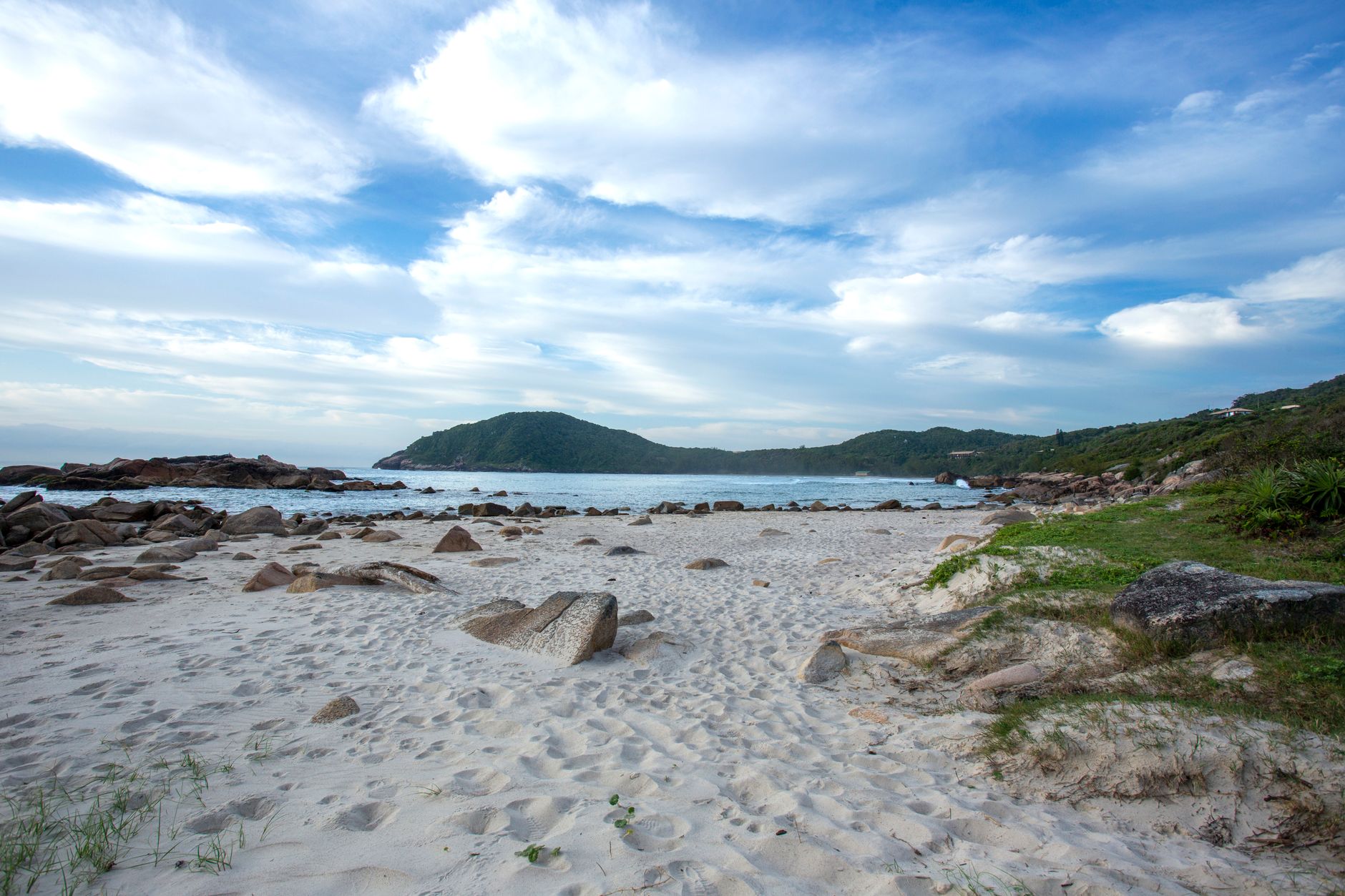
The weather Santa Catarina doesn’t advertise
Santa Catarina sits in Brazil's subtropical band and gets weather that other parts of Brazil don’t. Between roughly late December and April, three distinct systems can cause serious trouble: subtropical cyclones spinning off the Atlantic, stalled tropical fronts that dump 200-400mm of rain in 48 hours, and severe convective storms with hail and 100km/h winds. None of this is common enough to skip the region for, but common enough that a traveller planning a two-week trip in January has maybe a 15% chance of losing one full day to weather.
The most famous recent event was Cyclone Catarina in March 2004, the only recorded hurricane-strength system to hit the South Atlantic coast of Brazil. Since then, subtropical storms with names have become more frequent — Iba (2019), Yakecan (2022), and multiple others. The 2023 and 2024 floods in the Itajaí valley displaced tens of thousands and closed the BR-101 for days. This isn’t hypothetical — it shapes what a good trip plan looks like, particularly for the January-April window when most foreign visitors book.
When and where each system hits
Subtropical cyclones typically form between January and April, offshore, and either move out to sea or brush the coast between Laguna and Florianópolis. Impacts are strong winds (60-90km/h), heavy rain, and dangerous surf that closes beaches. Named systems get 3-5 days of forecast warning. The Itajaí valley floods happen when a warm humid mass from the Amazon stalls against a cold front — the 2008, 2011, 2015 and 2023 floods all followed this pattern, dumping 400-600mm of rain in three days on the towns of Blumenau, Rio do Sul, Itajaí and the surrounding valleys.
Severe hailstorms concentrate in October-December in the west of the state (Chapecó, Concórdia) and less commonly on the coast. Coastal areas get afternoon thunderstorms almost daily from December to March, but these are brief and predictable — the pattern is bright morning, building cloud from 2pm, storm 4-6pm, clear evening. Plan beach and boat activities for mornings. The severe events — the 24-48 hour multi-cell systems — happen 3-5 times a summer and are forecast well enough in advance to move plans around.
The Itajaí valley flood risk in detail
Blumenau, Pomerode, Brusque, Itajaí and the smaller Vale Europeu towns sit in a valley that floods with grim regularity. The Itajaí-Açu river has recorded major floods roughly every 3-4 years for the past century, with the most severe events (2008, 2011, 2023) causing widespread destruction. If you’re planning a visit to the German-heritage circuit — Oktoberfest in Blumenau, the architecture of Pomerode, the museums in Joinville — between January and April, check the Defesa Civil website for river levels before travelling and have a fallback route.
The BR-470 that connects the coast to Blumenau closes during major floods, sometimes for a week. Alternative routes through Rio do Sul or via Joinville add 2-3 hours. Hotels in Blumenau itself typically sit on higher ground in the newer districts (Bela Vista, Vila Nova) — the historic center is more flood-exposed. The reliable way to visit the German towns is May-September, when the rivers are lower and the weather is drier. Oktoberfest, in early October, is at the very edge of the safe window and has been affected by flooding in the past.
What happens to your booking if the weather turns
Brazilian hotels are inconsistent on weather cancellations. Chain hotels (Ibis, Blue Tree, Slaviero) will typically waive a night's charge if the government declares a state of emergency in your destination. Independent pousadas — the majority of coastal lodging — are less flexible and will usually only refund if they close the property themselves. This matters most for the pousadas in Praia do Rosa and Garopaba that get isolated during storms when the access roads (SC-434, SC-100) close.
Flights into Florianópolis (FLN) rarely cancel outright for weather but often divert to Navegantes (NVT) 90km north. Latam and Gol will rebook onto the next available flight but will not pay ground transport between airports — expect R$400-600 for a taxi. Travel insurance with severe weather clauses is genuinely worthwhile for January-March travel — the annual policies from Brazilian brokers cost R$150-250 for two weeks and cover cancellations, delays and the diversion transport gap. Confirm the policy explicitly covers named storms.
Beach safety in stormy conditions
The larger cause of injury during storm season isn’t the storm itself but the surf conditions that persist for 2-3 days after. Rip currents (correntes de retorno) on Praia Mole, Joaquina, Praia do Rosa and Ferrugem are dangerous even in normal conditions and become deadly after a storm. Every year Santa Catarina records drowning fatalities on tourist beaches, most involving swimmers who ignored red-flag conditions. The Corpo de Bombeiros lifeguard service (guarda-vidas) posts flag warnings and closes beaches when needed — always look for the flag.
The west-coast Florianópolis beaches (Jurerê, Canasvieiras, Daniela) and the sheltered coves around Bombinhas (Praia da Sepultura, Praia Lagoinha) stay calm even in post-storm conditions and are the beaches to switch to. Boat tours from Bombinhas to the Ilha do Arvoredo cancel in high seas — the operators are conservative about this, which is good — and will typically rebook to the next fair-weather day. Whale-watching tours from Praia do Rosa and Garopaba have similar policies. Never negotiate with an operator to go out in marginal conditions.
The forecast tools that matter
The Brazilian national meteorological service (INMET) is the official source and publishes storm warnings 48-72 hours ahead. The state service Epagri/Ciram is more detailed for Santa Catarina specifically and worth checking. For real-time storm tracking, the Windy.com app (free) is used by pilots and boat operators across the region and shows radar, wind patterns and rain forecast in one interface. For beach conditions specifically, the Corpo de Bombeiros of Santa Catarina posts daily beach status updates on Instagram (@bombeirosscoficial).
For flood risk specifically in the Itajaí valley, the SIMGeo Defesa Civil site publishes river levels in real time — the key gauge is Blumenau, and levels above 8m trigger emergency response. For the BR-101 and BR-282 road conditions, the ANTT (federal transport authority) publishes closures on their site and via Twitter/X. Practical rhythm: check the 5-day forecast when you book, check daily during the trip, and be willing to reshuffle the itinerary when a system is 48 hours out. Most storm events are foreseeable well enough to plan around.
The safest months of the calendar
June through September is Santa Catarina's driest, most stable weather window. Cyclone risk is near zero, valley floods are historically rare, and thunderstorms are infrequent. The trade-off is that these are the coldest months — sea temperatures 16-19°C, air temperatures 15-22°C on the coast, and 5-15°C in the Serra. For a weather-secure trip focused on cities, culture, wineries and hiking rather than swimming, this window is the sweet spot. Insurance premiums are also lower and hotel cancellation policies more relaxed.
May and October are the transitional months. May usually stays dry and warm (22-26°C, sea at 21°C) with a small residual storm risk from late-summer patterns. October brings the first spring warm-ups but occasional strong cold fronts. Both months rank among the best-value windows of the calendar — shoulder-season prices, low crowd volumes, low weather risk. If you can only travel in the summer window (December-April) for personal calendar reasons, the trip is still absolutely worth taking — just build in flexibility, buy insurance, and treat the storm risk as a manageable 10-15% probability rather than an occasional freak event.
Good to know
Questions, answered
Has Santa Catarina ever had a real hurricane?
Yes — Cyclone Catarina in March 2004 made landfall between Torres and Laguna as a Category 2-equivalent system, the only tropical hurricane recorded in the South Atlantic. It killed 11 people and destroyed thousands of homes. Subtropical storms of lesser intensity have hit since (Iba 2019, Yakecan 2022). True hurricanes remain extremely rare — expect one per decade at most.
Which months are safest for weather?
June through September for stable weather, low storm risk and low rainfall — the coldest months but the most reliable. May and October are the second-best window with warmer temperatures and still-manageable weather risk. Avoid January-March if weather stability is your priority; that window has the best sea temperatures but the highest chance of severe storm days.
Should I get travel insurance for storm risk?
Yes for January-April travel. A basic Brazilian travel insurance policy costs R$150-250 for two weeks and covers cancellations, storm-related delays and diversion transport. Confirm the policy explicitly covers named storms and severe weather events — some cheap policies exclude natural disasters. For June-October travel, insurance is optional from a weather perspective.
How much does storm season really disrupt a trip?
Statistically, about 1 in 12 travel days between January and April is significantly disrupted by weather — either a beach day lost to storms, a road closed, or an activity cancelled. In a 10-day trip, expect to lose one full day and to have two others with reduced options. This is manageable with a flexible itinerary but frustrating for tightly-scheduled trips.
Doing good is the business: every booking through Stay Santa Catarina funds one verified tonne of carbon removal — same room, same price, no markup.
Start your search