The 10% service charge on restaurant bills
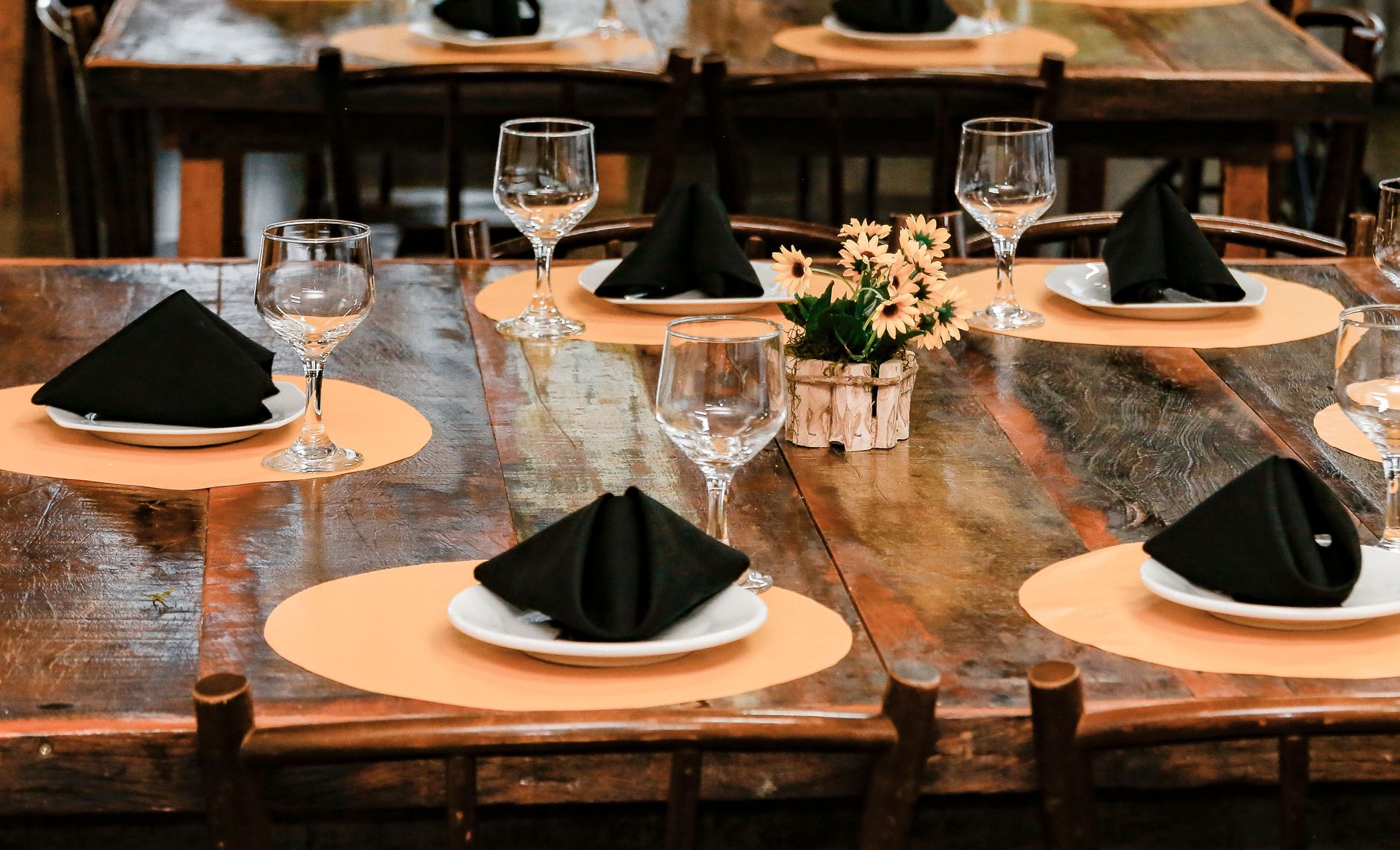
Nearly every sit-down restaurant in Santa Catarina — from a boteco in Lagoa da Conceicao to a beachfront place in Jurere Internacional — adds a taxa de servico of 10% to the bill. It is printed as a separate line and it is legally optional, meaning you can ask for it to be removed if service was genuinely poor. In practice, locals leave it on. That 10% is the tip. You do not add another 10% on top, you do not round up the total, and the waiter is not expecting more. Doing the American double-tip thing marks you instantly as a tourist who has not read the bill.
The one nuance: the service charge is split among staff and does not always reach the person who served you. If someone went out of their way — held the table an extra hour, fixed a mistake, walked your kid to the bathroom — handing them R$10 or R$20 in cash directly is welcomed and remembered. At churrascarias with the rodizio system, the 10% covers the whole team of passadores. At a padaria or a self-service por-kilo place at lunch, there is no service charge and no expected tip; the price on the scale is the price you pay.
Taxis, Uber and airport transfers
Taxi and Uber drivers in Florianopolis do not expect tips. The meter or app price is the full price. If a taxi driver helps with heavy luggage or takes the scenic route around traffic at your request, rounding up to the next R$5 or R$10 is polite but not obligatory. Uber drivers can be tipped in the app after the ride, and small amounts (R$3-5) are appreciated on longer trips like the R$80-120 run from Floripa airport to the north beaches. No driver will chase you down the pavement for a missing tip.
Private airport transfers booked through hotels are a different animal. The driver has usually been paid in full by the hotel and receives a cut, so R$10-20 in cash handed over at drop-off is a normal courtesy for a smooth ride with bags. On multi-day private tours — a day trip to Urubici, say, or a full-day sightseeing loop — R$50-100 per day for the driver-guide is the going rate if you were happy. Tour bus drivers on group day trips: R$5-10 per passenger, collected quietly at the end, and always in cash.
Hotels, pousadas and housekeeping
In pousadas along the coast — Praia do Rosa, Garopaba, Bombinhas — the family running the place is often the same people cleaning your room, cooking breakfast and handing you keys. You do not tip them. A genuine thank-you, a good review on Booking, and buying an extra round of caipirinhas at the bar are the local currencies of appreciation. In larger hotels in Balneario Camboriu or the Jurere resorts, leaving R$10-20 per night for housekeeping on the pillow on your final morning is a kind gesture, not an expectation. Nobody will be offended if you leave nothing.
Bellhops at four- and five-star hotels expect R$5-10 per bag if they carry your luggage to the room. Concierges who book you a hard-to-get table at a Lagoa restaurant on a Saturday night, or who arrange last-minute surfboard rental in Praia Mole, deserve R$30-50 at checkout. Room service already includes the 10% service charge on the bill, so no additional tip. Valet parking attendants at restaurants and clubs get R$5 when they hand the keys back — this one is close to obligatory, especially in Balneario Camboriu, where valet is everywhere.
Bars, beach vendors and cafes
At bars without table service — the kiosques on Praia dos Ingleses, the stand-up counter at a boteco in Centro — you pay at the till and no tip is involved. Where there is table service, the 10% will appear on the comanda card the waiter marks each round on. Beach vendors selling grilled cheese, shrimp skewers, sarongs and beer along the sand set a price and that is the price; haggling is not really the culture here and tipping them makes no sense. If you buy a caipirinha off a walking vendor at Praia Brava for R$15, hand over R$15.
Cafes are the trickiest. A padaria charges you at the counter with no service line, and you take your bread and coffee to a stand-up counter or a plastic table — no tip. A proper cafe with waiters bringing coffee to a table will add the 10%. Third-wave coffee shops in Lagoa or Centro Florianopolis sometimes have a tip jar (caixinha) at the till; R$1-2 dropped in is normal if you liked the flat white. Buying an espresso at the counter of a bakery and leaving change is a nice habit, never an obligation.
The greetings and table manners nobody warns you about
Women greet women and women greet men with a single kiss on the right cheek in Santa Catarina — one, not two, and not the three you might get in Rio. Men shake hands with men. In business or formal settings even the kiss becomes a handshake. Introducing yourself with your first name is standard; last names come out only on paperwork. Waiters and shop staff are addressed as senhor or senhora if they are older than you, and a simple por favor and obrigado/obrigada goes a very long way. Loud voices in restaurants, phone calls on speaker, and snapping fingers at waiters all read as rude.
At the table, you do not eat pizza, burgers, sandwiches or even chicken wings with your hands — a fork and knife, or the paper napkin the burger arrives wrapped in, are the norm. Sharing food from a communal plate is common and expected; the waiter will bring extra small plates without being asked. When someone else is paying, saying so at the start ("today is on me") avoids the awkward wrestle over the bill. Splitting evenly, not itemising, is the default with friends. Asking to divide a bill six ways by exact item is possible but takes patience.
Guides, hair salons, spa treatments and delivery apps
Freelance guides you book directly — for a boat trip out of Bombinhas, a hike up Morro da Cruz, a surf lesson in Praia Mole — set a price and that is the price. Tipping R$20-30 at the end for a two- to three-hour experience is generous and normal if the guide was good. On group boat trips (schooner tours around Florianopolis bay, the R$120-150 range) the crew often passes a hat at the end; R$5-10 per person is standard. Diving instructors in Bombinhas: R$20-50 depending on how many tanks they filled and how much handholding they did.
Hair salons and barbers expect no tip; the price on the sign is what you pay. Spa treatments and massages at the bigger resort hotels roll the 10% into the final bill. Manicurists usually get a small tip (R$5-10) even though it is not obligatory. For food delivery via iFood or Rappi the app prompts you to tip the driver at checkout — R$2-5 is what most locals leave, R$10 for a long rainy-night ride. Grocery baggers at supermarkets sometimes work for tips only; R$1-2 for a big shop is customary. None of these are enforceable, all of them are noticed.
The mistakes that mark you as a first-time visitor
The single biggest error is tipping on top of the 10% service charge because you did not spot the taxa de servico line. Read the bill. The second is over-tipping in dollar or euro amounts — a R$50 tip on a R$80 breakfast is not generosity, it is confusion, and it can make the staff uncomfortable. The third is trying to tip pousada owners, taxi drivers who have already had their meter paid, and shopkeepers, none of whom operate in a tipping culture. Fourth is haggling. Fixed prices are the norm at markets, on beaches, in shops; haggling comes across as rude, not shrewd.
The fifth is the beach etiquette one nobody explains: do not walk in front of someone's chair to reach the water if you can go around, do not play loud music without checking with your neighbours, do not leave rubbish for the vendors to clean up. Sixth is arriving at restaurants at 7pm expecting a full room; dinner in Santa Catarina starts at 8pm and Balneario Camboriu doesn’t warm up until 10pm. Book for 8.30-9pm on weekends. Finally, saying "muchas gracias" — this is Brazil, the language is Portuguese, and obrigado (men) or obrigada (women) is the word.
Good to know
Questions, answered
Can I refuse the 10% service charge if service was bad?
Yes, legally. The taxa de servico is optional and you can politely ask the manager to remove it without any argument. In practice, locals only do this when service has been genuinely rude or negligent — a slow kitchen on a busy Saturday night is not grounds, and staff remember faces in small beach towns.
Do I tip in cash or can I add it to the card payment?
The 10% service charge goes on the card bill automatically. Extra tips for individual staff — a housekeeper, a helpful concierge, a bellhop — should be cash in Brazilian reais, handed directly. Card machines in Brazil rarely offer a tip prompt the way US ones do, so carry small notes: R$5, R$10 and R$20 bills.
Is haggling ever acceptable in Santa Catarina?
Rarely. Prices are fixed at restaurants, shops, beach kiosques and taxi meters. Craft markets and street vendors selling souvenirs may drop 10-15% if you buy multiple items or pay cash, and long-stay apartment rentals booked directly with owners are negotiable. Everything else is priced, marked, and paid at that price without discussion.
Should I tip tour guides in US dollars if that is all I have?
No. Foreign currency creates a hassle for the recipient, who has to find a casa de cambio and lose money on the exchange. Withdraw reais from an ATM on arrival — Banco do Brasil and Bradesco machines at Floripa airport work with foreign cards — and tip in local currency. If you truly only have dollars, ask the guide first whether they can use them.
Doing good is the business: every booking through Stay Santa Catarina funds one verified tonne of carbon removal — same room, same price, no markup.
Start your search