Seasons & events
When to visit Santa Catarina: month-by-month
Santa Catarina has four seasons that actually behave like seasons — a rarity in Brazil — plus a January and Carnaval crush that doubles prices for six weeks and empties out completely between March 5 and December 20.
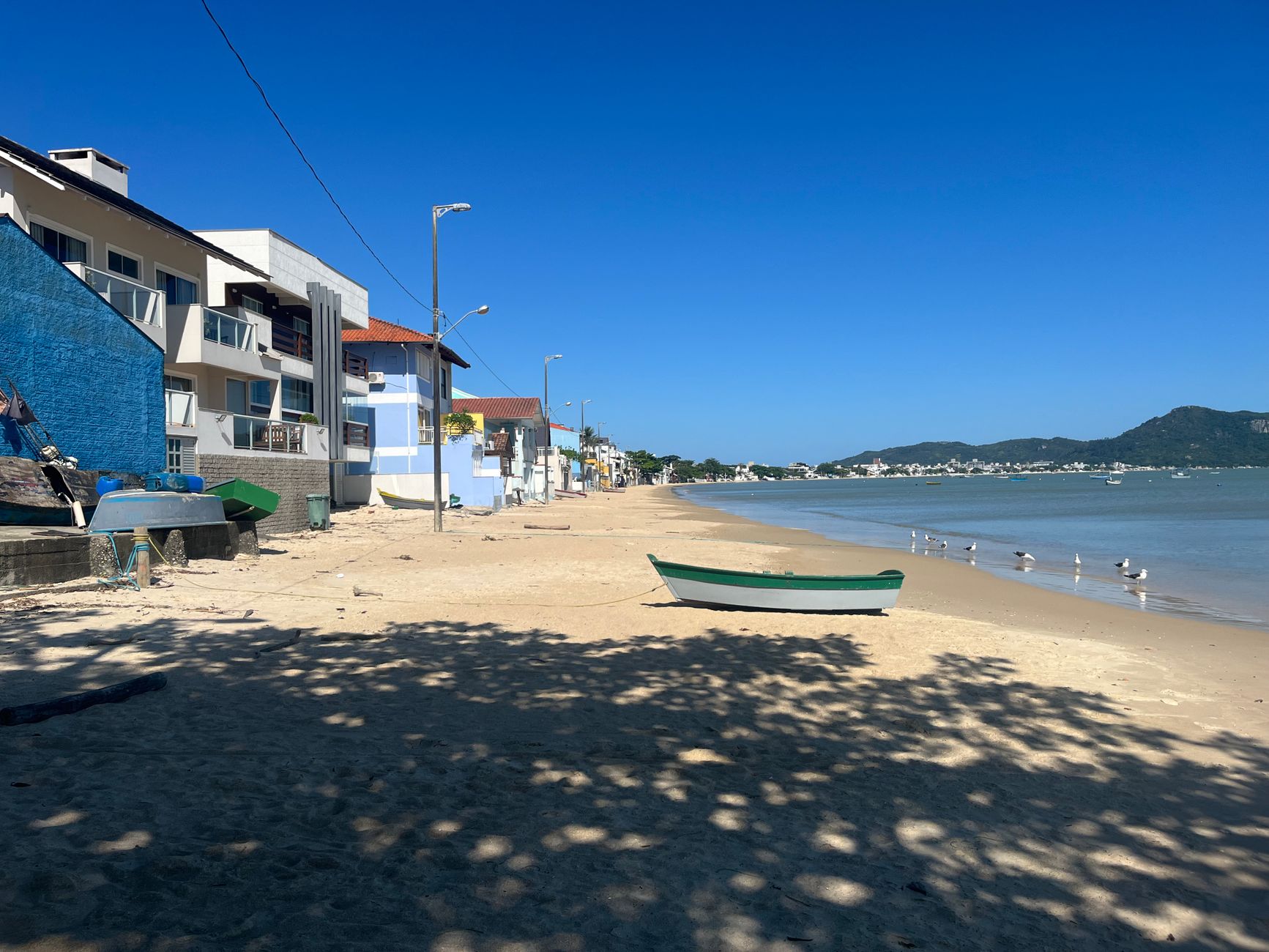
January — peak, expensive, chaotic, fun
January is the state's flat-out peak. Argentine and Uruguayan school holidays flood Canasvieiras and Ingleses; São Paulo money fills Jurerê; Rio and Porto Alegre pile into Praia do Rosa and Balneário Camboriú. Hotel rates double or triple, restaurants require reservations, and traffic on the BR-101 between Florianópolis and Bombinhas becomes a five-hour ordeal at weekends. Beach weather is at its best — 28-32°C, water 24-26°C, long light evenings.
Come in January only if you love the party energy or if you have specific dates you can’t move. If you do, book everything six months ahead, expect to pay premium for parking and taxis, and pick one base to minimise driving. If you can move, don’t; this is Santa Catarina at its most stressed and least honest, and every other month delivers a better trip.
February and Carnaval — same, plus a party
February is essentially January's second half, still hot, still busy, still expensive. The specific week of Carnaval (variable date, usually mid to late February) is the peak-of-peak. Florianópolis's Carnaval isn’t Rio-scale but is real — street blocks in Lagoa da Conceição, big parties in Jurerê and Balneário Camboriú, live music through the night. Book Carnaval week 6-9 months out or resign to what's left.
After Carnaval week, the state empties out surprisingly fast. From March 1 onwards, prices drop and crowds thin, though the water stays warm through April. If you can time a visit for the first two weeks of March, you get January beach weather at October prices — one of the state's best travel hacks.
March and April — the sweet spot
March and April are Santa Catarina's best months. Water 22-25°C (comfortable swimming), air 24-28°C, sunny days more common than rainy, hotel rates back to honest levels (often 40-50% below January), no crowd pressure. The beach towns feel like themselves again. This is when locals travel within the state. Restaurants reopen full menus without waits; parking exists everywhere.
The one caveat is that Semana Santa (Easter week, usually late March or early April) brings a mini-peak — book that specific week ahead. Otherwise, plan freely. Whale season starts slowly at Praia do Rosa in April with the first arrivals. The mountain towns (Urubici, São Joaquim) start cooling; the first frosts arrive in the highest parts by month's end.
May and June — cool and calm
May and June are the state's quiet months. Water gets cold (18-21°C, wetsuit territory), air cools to 18-24°C, rain more frequent but still not dominant. Beach hotel prices reach their annual low — you can find a good pousada in Praia do Rosa for R$350 that would be R$800 in January. The beaches themselves are empty and lovely, just too cold for extended swimming.
This is the season to base in the mountains. Urubici, São Joaquim, Bom Retiro, Treze Tílias all come alive as fireplace-and-wine destinations. The Serra Catarinense wineries do their harvest events. Whale-watching at Praia do Rosa hits stride in June with more consistent sightings. Combine a coast stop with a mountain stop for a varied cool-season trip.
July and August — winter proper
July and August are Santa Catarina's coldest months. The mountains regularly frost, occasionally snow (São Joaquim gets snow in most years, briefly). Coastal air 12-18°C, water 16-18°C, grey skies more common than blue. This is not a beach trip season. But it is a genuinely wonderful mountain trip season: chalets, fondue restaurants, wine tastings, snow-chasing weekends when the forecast promises.
Winter is also school holiday season in Brazil (mid-July for two weeks), which brings a small mid-year peak. Beto Carrero and the thermal resorts fill up. Book those specific weeks ahead. Outside the school holiday, mountain pousadas run promotions and coastal towns are almost empty — the best time to visit the historic centre of Laguna, for instance, without any tourists.
September and October — spring warmup
September is the state's most beautiful mainland month — flower blooms, mild temperatures (18-25°C), whale season at peak in Praia do Rosa, snow-thaw runoff filling the mountain waterfalls. The beaches are still cold to swim but the coast is spectacular for walking. Hotel prices remain low. This is the shoulder season locals guard jealously.
October brings Oktoberfest in Blumenau (three weeks, typically the first three of the month), one of the world's largest German festivals outside Germany. Blumenau hotels fill and prices spike for those weeks — book six months out. Elsewhere in the state, October is calm and mild, water starting to warm (19-22°C), a good all-round trip month for anyone not doing the Oktoberfest.
November and December — the ramp back up
November is essentially April in reverse — warming water, sunny days, low prices, empty beaches. One of the year's best months for a beach trip if you can travel outside the calendar quirks of your home country. Water reaches 22°C by month's end. Hotels start raising rates from mid-November as the summer bookings ramp up.
December splits sharply. The first three weeks are still shoulder season — warm, sunny, honest prices. From December 20 onwards, high season slams down: rates triple, restaurants book out, Argentine and Uruguayan cars pour across the border. If you want December beach weather at fair prices, book December 5-19 and leave before Christmas. That two-week window is one of the best-value trips of the year.
Good to know
Questions, answered
When is the water warm enough for swimming?
December through April is comfortable (22-26°C). November and May are borderline (19-21°C — swimmable for the enthusiastic, cold for others). June through October the water is 16-19°C and only surfers in wetsuits are in it. The northern beaches are consistently 1-2°C warmer than the southern beaches.
Which month has the best weather overall?
March for beach trips (warm water, calm crowds, honest prices). September or October for mountain trips and general touring (mild, dry, atmospheric). If you have to travel in high summer, aim for the first ten days of December before the Christmas rush, when weather is January-quality and prices are April-quality.
Does it rain often?
Summer (December-March) rain typically comes as short, intense afternoon storms — dramatic but brief, and the sun usually returns. Winter rain is grey and drizzly, sometimes for days. Autumn (April-May) and spring (September-October) are the driest, most stable seasons. Bring a light rain jacket year-round; you’ll use it at least once.
Is Santa Catarina good year-round?
Yes, but for different trips. Summer for beaches, winter for mountains and wineries, shoulder seasons for everything at half the price. The state's variety of altitude and geography means there's always somewhere in Santa Catarina having its best weather. The trick is matching the right destination to the month you’re travelling.
Doing good is the business: every booking through Stay Santa Catarina funds one verified tonne of carbon removal — same room, same price, no markup.
Start your search