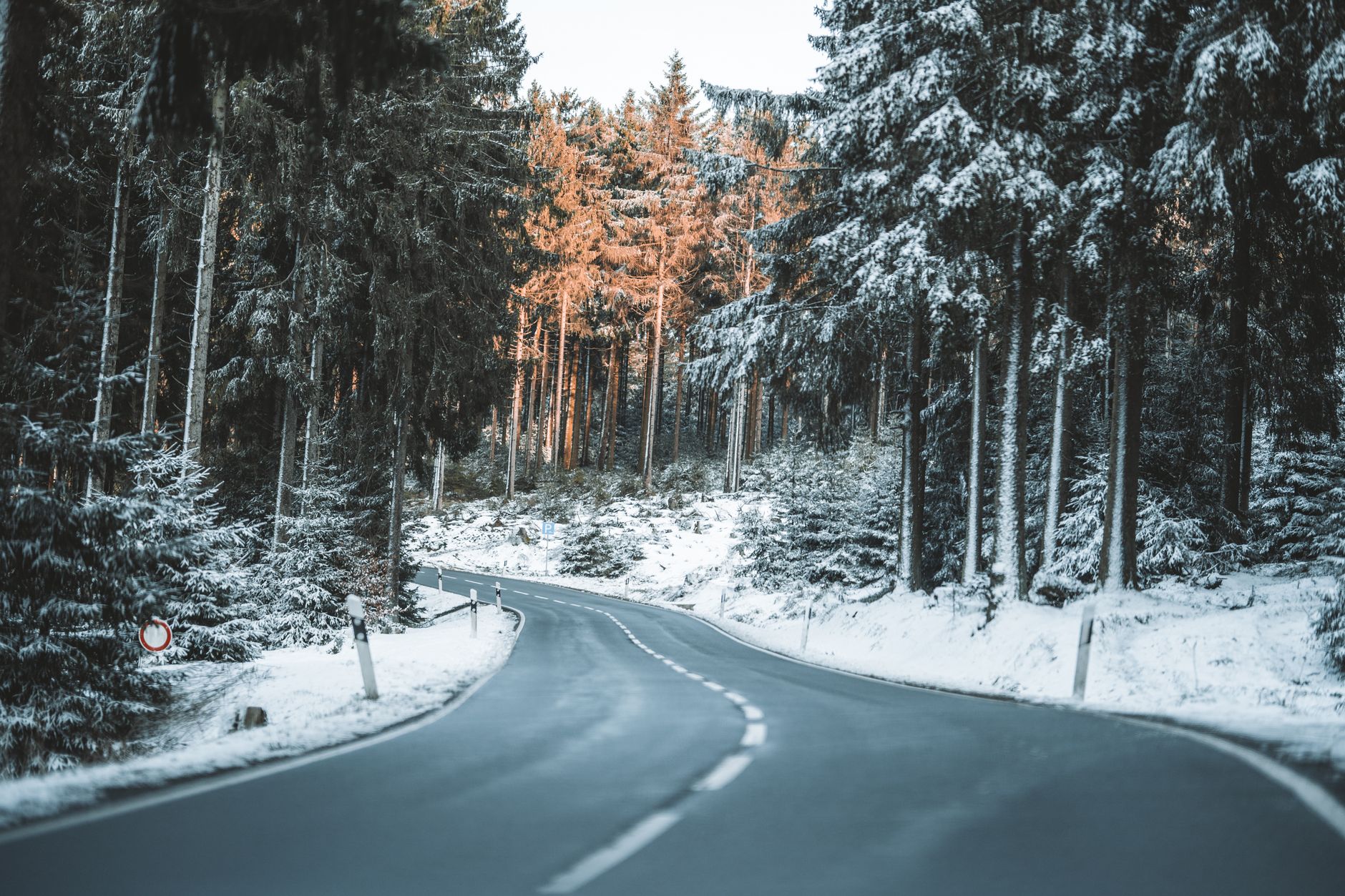
Why Brazil's coldest region is a winter destination
The Serra Catarinense — the highland plateau at 1,200-1,800m elevation covering São Joaquim, Urubici, Bom Jardim da Serra, Lages and Treze Tílias — is the coldest inhabited region in Brazil. Winter temperatures routinely drop below zero, frost forms 40-50 mornings a year, and São Joaquim records genuine snowfall (not just sleet) roughly one winter in three. This is the anomaly at the heart of Santa Catarina: while the coast sits at a mild 18-20°C in July, the Serra is at -2°C and Brazilians drive up from Porto Alegre and São Paulo specifically to see snow.
Winter is high season up here, and it inverts the entire state's tourism map. The pousadas in Urubici that were empty at Carnival are booked out July weekends. Room rates in São Joaquim rise 60-80% between May and July. Wineries at 1,400m elevation — Villa Francioni, Pericó, Suzin, Villaggio Grando — run full weekend schedules with lunch bookings essential. The wood-fired restaurants around Rio Rufino serve trout, wild boar and pinhão (Araucaria pine nuts) that are only available this season.
The realistic snow question
Real snow happens 3-6 days a year, almost always between June 20 and August 20, concentrated around cold fronts pushed up from Patagonia. São Joaquim, at 1,360m, gets the most reliable snow — perhaps two events per winter of 2-8cm accumulation. Urubici (980m) gets snow maybe once every two winters. Morro da Igreja at 1,822m — the highest inhabited point in southern Brazil — gets snow 8-12 times a winter but is only reachable by 4WD when it's actually snowing. Frost and ice are near-daily; snow is the lottery.
The forecast to trust is the Epagri/Ciram meteorological service (in Portuguese, run by the state agriculture research agency). They call snow events 3-4 days out with reasonable accuracy. Hotels in São Joaquim get inundated with same-day booking calls when a forecast hits — rooms disappear in six hours. If snow is your goal, book flexibility: a Florianópolis coast hotel with a two-night cancellation window plus a rental car, ready to drive up to São Joaquim on 48-hour notice. It's 220km, four hours on the BR-282.
What R$350 buys you up here
Winter room prices in the Serra sit roughly R$300-500 for a good countryside pousada, R$500-750 for the design-focused places with lake views or vineyard settings, and R$800-1,400 for the small luxury hotels around São Joaquim and Bom Jardim da Serra. Almost all include a generous breakfast — the Serra breakfast tradition is enormous, with homemade breads, cheeses from the region, quince and fig preserves, and pinhão in season. Many include afternoon coffee (café colonial) which is a full second meal.
The heating question matters. Old fazenda-style pousadas rely on wood stoves (lareiras) in common rooms and heavy blankets in bedrooms — cosy in the sitting room, cold at 3am. Newer places have proper electric heating in rooms. If you feel the cold, ask specifically about aquecimento central or aquecimento no quarto before booking. Also confirm hot water pressure — some rural pousadas have solar heating that fails when it's overcast for three days, which is exactly when you most need a hot shower.
The wine and food circuit
The Serra wine region is Brazil's highest-altitude production zone and is genuinely worth planning a trip around. Villa Francioni in São Joaquim runs weekend tours at R$120 including three tastings, with lunch pairings at R$280 per person. Pericó (also São Joaquim) does the same for R$95 tasting plus R$220 lunch. Villaggio Grando in Água Doce sits further west but has the most polished tasting room. The signature grape is the Sauvignon Blanc from vines at 1,400m — bright, mineral, unlike anything from the São Francisco Valley or the Serra Gaúcha further south.
Restaurant reservations are essential for weekends June-August. Cordilheira dos Andes in São Joaquim, Casa da Nona in Urubici, and the trout farms around Rio Rufino all book out. Truta (rainbow trout) prepared five different ways is the local specialty, along with pinhão-based dishes (paçoca de pinhão, entrevero, pinhão cozido). A full lunch with wine runs R$150-220 per person. The Treze Tílias circuit adds an Austrian-Brazilian layer — this is a town founded by 1930s Tyrolean immigrants, with wooden architecture and its own beer festival in October.
Getting there and moving around
Fly into Florianópolis (Hercílio Luz) and drive west on the BR-282. Florianópolis to Lages is 220km and 3 hours; Lages to São Joaquim is another 80km and 90 minutes on winding mountain road. Florianópolis to Urubici is 165km via Alfredo Wagner, 3-3.5 hours. Rental cars are essential — public transport up here is minimal and won’t get you to wineries or viewpoints. A basic car runs R$130-170 a day; take the extra insurance because gravel roads and animal crossings are constant.
The BR-282 above 1,000m elevation can ice up between June and August. Serious ice events close the road 3-5 times a winter, usually for 6-12 hours until the sun melts it. If you’re driving on a forecast-cold morning, leave after 10am. The state highway to Morro da Igreja requires 4WD in winter and closes entirely on icy days. Alternative: fly into Porto Alegre and drive north — it's a longer approach (5 hours to São Joaquim) but the road stays at lower elevation and is more reliable.
The viewpoints and hikes worth doing
Morro da Igreja and the Pedra Furada (a natural rock arch at 1,800m) are the icon shots. Get there for sunrise — the drive from Urubici takes an hour, requires 4WD or a booked tour (R$180 per person), and the arch is often above the cloud line. Cascata do Avencal near Urubici is a 100m waterfall reachable by a 20-minute walk from a paved road, best in winter when flow is highest. The Serra do Corvo Branco pass is a spectacular 25km drive of switchbacks between Urubici and Grão-Pará — do it slowly and stop for photos, allowing 90 minutes.
Trekking is limited in winter because trails ice up above 1,500m and short daylight (sunset at 5:45pm in July) cuts hiking windows. The manageable winter hike is the trail up to the Pedra da Águia lookout from Urubici — 2 hours return, no technical sections, dramatic views. Skip the multi-day Serra Geral circuits until September. Horse riding at the working fazendas is a better winter activity than hiking — most pousadas can arrange 2-3 hour rides for R$150-220 per person, with the horses better dressed for cold than most tourists.
Booking rhythm and the trip that works
Six nights, arriving Sunday. Two nights in Urubici (base for Morro da Igreja, Cascata do Avencal, and the Serra do Corvo Branco drive). Two nights in São Joaquim (wineries, apple orchard region, snow chase if forecast). Two nights in Treze Tílias or Lages (Austrian architecture, thermal baths at Termas do Gravatal en route, more Serra fazendas). Budget R$450 a night lodging, R$180 per person per day food, R$150 a day car — roughly R$8,500 total for two people over six nights.
June is the least-booked winter month and gives you 70% of the cold-weather feel at 20% below July prices. July is peak — school holidays run July 5-25 across most Brazilian states and every family with a car drives up here. August is quieter again but rooms still cost 50% above shoulder season. Weekends (Friday-Sunday) run 30% higher than midweek across all three months. Arriving Sunday and leaving Friday buys you the best rate and the emptiest wineries.
Good to know
Questions, answered
Will I definitely see snow in São Joaquim in July?
No — snow happens 3-6 days per winter and cannot be scheduled. You have maybe a 30% chance during any given week in July. Frost, ice and temperatures below zero are near-guaranteed, and the winter atmosphere (fireplaces, mulled wine, cold-weather food) is the actual reliable product. Treat snow as a bonus, not the reason to book.
How cold does it actually get?
Daytime highs in São Joaquim in July run 8-14°C on average, dropping to -2 to 4°C overnight. Record lows hit -8°C. Urubici runs 2-3°C warmer. Windchill on the exposed viewpoints (Morro da Igreja, Serra do Corvo Branco) makes it feel much colder — pack a proper insulated jacket, thermal base layers, hat and gloves, not just a fleece.
Are the coastal beaches worth visiting in winter?
For walking and eating, yes. For swimming, no — sea temperatures on Santa Catarina beaches drop to 16-18°C between June and September, and even west-coast beaches feel cold. Praia do Rosa, Garopaba and Bombinhas are lovely for winter weekends with almost empty restaurants and hotels at 50% off summer rates, but treat them as coastal towns rather than beach holidays.
Is winter a good time for the wineries?
It's the best time. Vines are dormant so the landscape is quieter, but the tasting rooms are fully staffed for the winter tourism season, all major wineries run daily tours June-August, and the wines pair naturally with the cold-weather food. Weekends book out — reserve tastings and lunches 2-3 weeks ahead for July and August.
Doing good is the business: every booking through Stay Santa Catarina funds one verified tonne of carbon removal — same room, same price, no markup.
Start your search