The real risks
Petty theft at beaches — phones and wallets left on towels while you swim. Solve it with a dry bag you take into the water, or the beach kiosk staff will hold valuables for R$5. Bag snatches at ATMs after dark in Centro Florianópolis: use ATMs inside malls or at the airport instead. Rip currents at Praia da Joaquina, Mole, and Rosa: swim between the flags, get out if you feel pulled. Drink spiking is very rare here compared to Rio, but standard vigilance in Lagoa nightlife applies. Keep a photocopy of your passport in the hotel safe and carry only the original when you need it for check-in.
Bicycle and phone snatching happens occasionally along the Beira-Mar Norte cycling path in Florianópolis, usually to people cycling with a phone mounted on the handlebar rather than in a pocket — keep it zipped away instead. The Mercado Público in Centro is safe by day but thins out fast after the stalls close around 18:00, so treat it like any market and watch your bag near the entrances. Unofficial tour sellers sometimes approach at Lagoa da Conceição promising boat trips or dune-buggy rides at inflated prices; book through your pousada or a listed operator instead, since the honest price is usually half of what is quoted on the street.
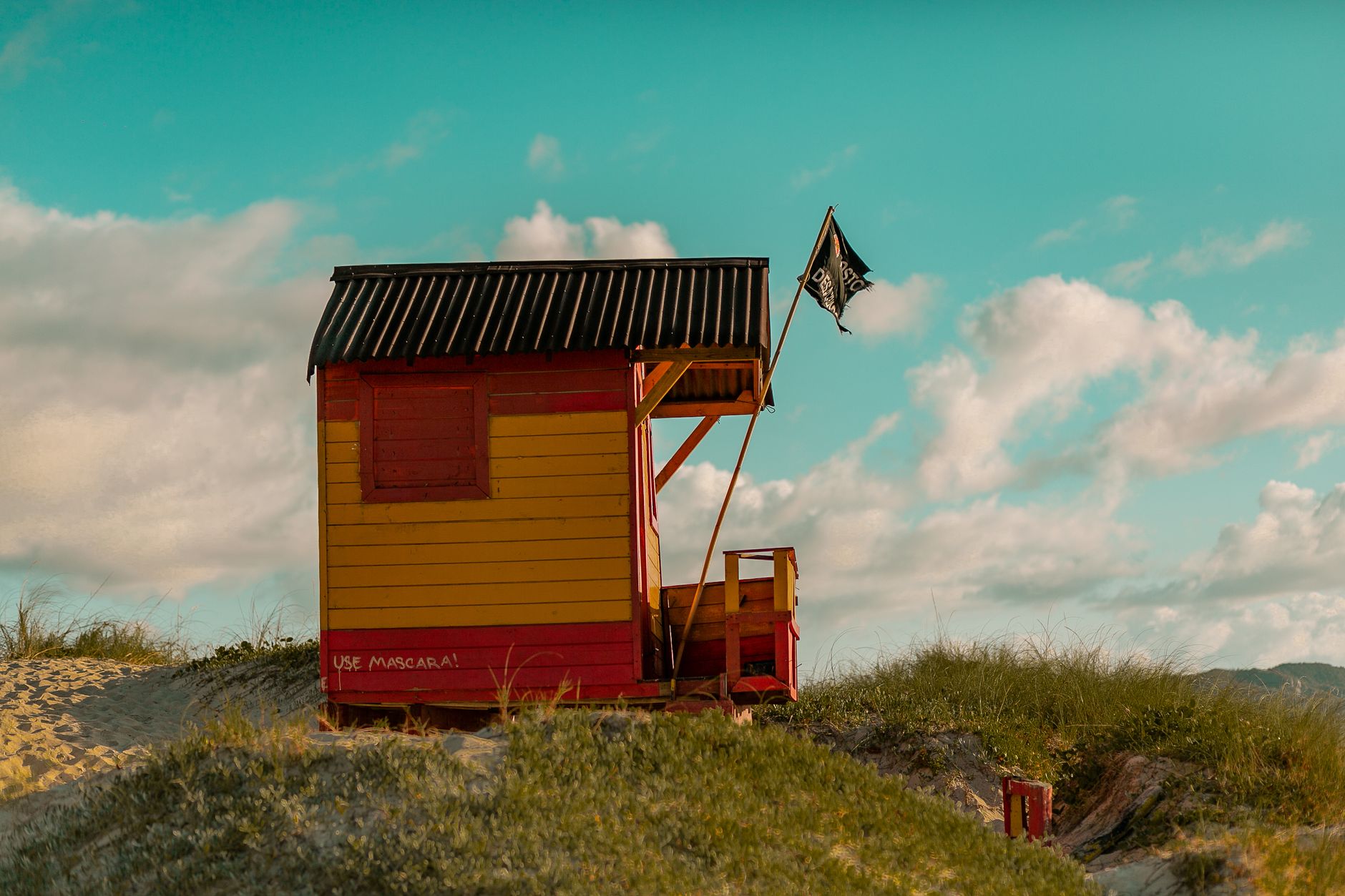
Roads and beaches
BR-101 has heavy truck traffic and blind curves inland. Drive it in daylight your first time. Beach roads on the south of the island are sandy in stretches — a compact car handles them but slow down. Ocean swells on the east-facing beaches spike in April-August; ignore that at your peril. Every guarded beach has a Corpo de Bombeiros post — free lifeguards, they answer questions. Rent from a reputable agency at Florianópolis airport rather than a street-side operator, and photograph every existing scratch before you drive off, and check your spare tyre before heading toward Pântano do Sul, since punctures on the unpaved stretches near Costa de Dentro are common.
SC-401 and the roads feeding Canasvieiras and Jurerê get dense and slow in January, with pedestrians crossing outside marked areas — expect a 40-minute crawl that should take ten. Motorcycle taxis are common and convenient but uninsured for passengers in practice; fine for a short hop, not for anything with luggage. Drowning, not crime, is the leading cause of visitor injury on the island, concentrated on unguarded stretches like parts of Praia do Santinho and the far end of Praia Brava outside lifeguard hours. If a beach has no flags and no Bombeiros tower, treat it as unsupervised and swim close to shore only.
The everyday stuff
Dress like a local, not a tourist. Nobody wears expensive watches on the beach. Uber is safer than street-hailing taxis after midnight. Solo female travel is very manageable — Lagoa, Campeche, and Jurerê feel especially calm. Learn the phrase 'só um momento' and use it if approached; most street-side approaches are commercial, not threatening. Emergency numbers: 190 police, 192 ambulance, 193 fire and beach rescue. Keep a written note of your pousada's address in Portuguese, since taxi and Uber drivers navigate faster from an address than from a pinned map in low-signal areas like Costa de Dentro.
English is patchy outside hotel reception desks, so a translation app or a phrasebook saves real friction with pharmacists and bus drivers. Areas near hotels such as Jurerê Beach Village, Costa Norte Ingleses, and Ingleses Praia Hotel are quiet, family-heavy, and well lit at night, which is exactly why they suit first-timers and solo travellers better than a Centro address. Carnival week and New Year's Eve bring bigger crowds and correspondingly more petty theft in Lagoa and Canasvieiras; nothing dangerous, just busier pockets and shorter patience from staff. If you book those weeks, reserve well ahead — rooms in the popular beach neighbourhoods sell out three to four months out.
Health, pharmacies, and hospitals
Hospital Universitário in Trindade handles emergencies for free under SUS but expect long waits; travellers with insurance are usually better served at a private facility, and most hotel staff can point you to the nearest one. Farmácia Catarinense and Panvel branches in Centro and along the main beach roads stay open late, and pharmacists can dispense many things over the counter that would need a prescription elsewhere, including basic antibiotics for minor infections. Dengue spikes in the summer months, December through March, after heavy rains; use repellent with icaridin or DEET in the early morning and evening, and see a doctor promptly for high fever rather than waiting it out.
Sunburn is the single most common injury among visitors — the UV index on the island is higher than most northern-hemisphere travellers expect even on cloudy days, so reapply sunscreen after swimming rather than once in the morning. Jellyfish, locally called caravela, occasionally wash up on Ingleses and Canasvieiras beaches after storms; vinegar, not fresh water, is the right response to a sting. Rocky beaches like Ponta das Canas and parts of Barra da Lagoa have sea urchins near the rocks, so reef shoes are worth packing if you plan to explore tide pools rather than stick to open sand.
Money, cards, and common scams
Card skimming happens at poorly maintained standalone ATMs more than at bank branches; use machines inside Beiramar Shopping, Floripa Shopping, or the airport, and cover the keypad with your free hand out of habit. Pix, Brazil's instant-payment system, is genuinely convenient for splitting a dinner bill with new friends, but never scan a QR code or approve a payment request from someone you just met — refund scams built around Pix are the most common financial fraud reported by visitors. For currency exchange, use a licensed câmbio counter at the airport or in Centro rather than a street changer; the rate difference is small and the certainty is worth it.
Unlicensed taxis waiting outside the arrivals hall at Florianópolis airport sometimes quote three or four times the metered fare to Centro or Lagoa; walk past them to the official taxi stand or simply order an Uber once you clear the doors. Artisans at the Mercado Público and the Lagoa da Conceição craft stalls price fairly for handmade goods, but mass-produced souvenirs sold from beach-side stands are marked up heavily and haggling by a third is normal and expected. Keep small bills for kiosk purchases on the beach — vendors rarely carry change for a R$100 note and it slows down an otherwise simple transaction.
Weather, swells, and seasonal risk
The Itajaí Valley towns — Blumenau, Itajaí, and Brusque — sit in a flood-prone basin, and heavy rain events between November and March have caused serious flooding historically, most severely in 2008. If you are visiting inland during rainy season, check Defesa Civil alerts and avoid driving through low-lying riverside roads after a multi-day downpour. On the coast the same fronts show up as short, intense storms rather than floods, so build a rain-day buffer into beach-focused itineraries rather than assuming every day in January will be clear.
Winter, June through August, brings cold fronts and a strong southerly wind locals call vento sul, which can drop temperatures sharply within hours and push swells to two or three metres on east-facing beaches like Joaquina and Mole. Surfers chase this swell; swimmers should not, since several guarded beaches close their flags entirely during these fronts. Pack a proper jacket if you’re visiting in winter — Florianópolis gets cold enough for frost inland, which surprises visitors expecting tropical Brazil year-round.
Good to know
Questions, answered
Is Florianópolis safe at night?
Yes, especially Lagoa, Campeche, Jurerê, and Barra da Lagoa. Centro is safer than most Brazilian downtowns but quiet after 22:00.
Can I walk back to my pousada from a bar?
In Lagoa and Campeche, yes. Elsewhere, take an Uber — costs R$15-R$25 and removes the question.
Are the beaches patrolled?
Guarded beaches have Bombeiros posts 09:00 to 18:00 in summer. Unpatrolled coves are your own responsibility.
Is tap water safe?
Treated and legally potable, but locals drink filtered. Bottled water is cheap and universal.
What should I do if I lose my passport?
Report it immediately at a Polícia Federal post — Florianópolis has one near the airport — and get a boletim de ocorrência, the official police report. Contact your consulate for an emergency travel document; most process this within a few business days. Keep a digital copy of your passport's photo page emailed to yourself before you travel, since it speeds up the replacement process considerably.
Is dengue a real risk?
Yes, in outbreaks concentrated in the summer months after heavy rain, though most cases are mild and hospitals treat it routinely. Use repellent, especially at dawn and dusk, and cover standing water at your accommodation if you’re staying somewhere with a garden. Severe cases are uncommon but see a doctor for a high fever rather than assuming it's a common cold.
Doing good is the business: every booking through Stay Santa Catarina funds one verified tonne of carbon removal — same room, same price, no markup.
Start your search