
 ★ 4.0
★ 4.0Working port town with the Projeto Baleia Franca research base and the beaches that Rosa doesn’t have room for.
Imbituba is the working coastal town between Garopaba and Laguna — a container port, a couple of decent beaches, and the headquarters of Projeto Baleia Franca, which runs the whale research and conservation programme for the southern-right whale calving season. The town centre itself is unremarkable, but its beaches — Praia da Vila, Praia do Rosa (usually claimed by Rosa but administratively Imbituba), Ibiraquera — are among the best on the south coast. Use Imbituba as a working-town base for R$140–R$220 rooms while spending days at Rosa or Vila.
The whale scene is real: from July to November southern right whales come remarkably close to shore, sometimes within 100 metres of the beach at Praia da Vila. The Projeto Baleia Franca visitor centre at Praia do Rosa Norte is worth the R$25 entry for the exhibits and the guided cliff viewpoints. Otherwise Imbituba is quiet, functional and cheap — the town centre has bakeries and mercados, one decent seafood restaurant (Restaurante do Zeca), and the beach 10 minutes' drive away.
At 9pm the town centre around Rua Coronel Freitas empties out fast — a couple of lanchonetes still selling pastel and coxinha, the port lit up in the distance, and not much else. This suits the traveller who wants an early night before a dawn whale walk more than anyone chasing a evening scene; if you want bars and beach-bonfire nightlife, that is Garopaba or Rosa, ten and twenty minutes away, not here. Families and budget-minded couples do well; anyone wanting a lively strip should book elsewhere and treat Imbituba as a day trip.
The port itself is worth a passing look rather than a detour — container ships loading at the terminal south of Praia da Vila, a slightly industrial backdrop that some guides gloss over. It does not spoil the beaches, which sit far enough north, but it explains why Imbituba never became the postcard town its neighbours did. That is precisely its appeal for budget travellers: real prices, real fishing-town rhythm, and the same whales and cliffs as Rosa for a fraction of the room rate.
Where to stay in Imbituba
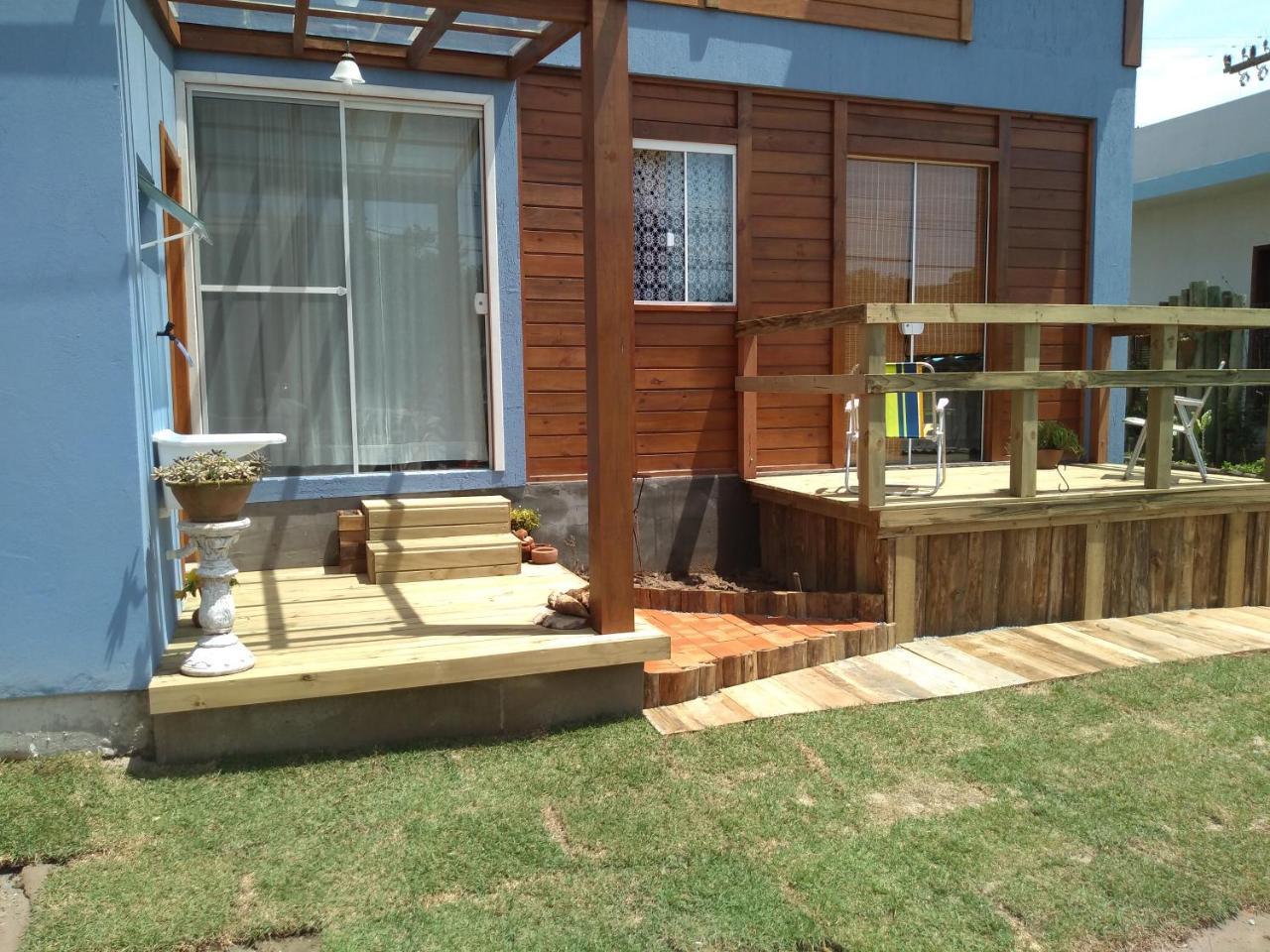
Praia da Vila is the walkable coastal base — small pousadas 3 blocks inland at R$150–R$260 peak, R$100–R$150 winter. Praia do Rosa (see separate area entry) is 10 minutes south and much pricier. Imbituba town centre is cheapest at R$120–R$180 but 5 km from any beach. Ibiraquera (a small lagoon-and-beach spot 15 minutes north) has 3 rustic pousadas at R$200–R$300 with a proper get-away feel. Avoid anything on BR-101 itself — traffic noise is constant. Pousada Bosque Das Aguas Imbituba, a short drive inland from Praia da Vila, is the pick for travellers who want a garden setting and quiet nights over beachfront convenience; book it directly if Vila's beachfront pousadas are full in whale season, which they often are by August.
Where to sleep
Hotels in Imbituba
Real, top-reviewed rooms — booked at the same live rate through app.impt.io, one tonne of carbon removed per stay.
★ 4.0 ★ 4.0
★ 4.0 ★ 4.0
★ 4.0 ★ 4.0
★ 4.0On the ground
Things to do in Imbituba
- Whale watching from Morro da VigiaCliff viewpoint north of Praia da Vila, 20-minute walk from the beach parking. Free, best 8am–11am July to November. Bring binoculars — whales come within 100–300 metres of the cliffs. The Projeto Baleia Franca researchers are often there and happy to point out mother-calf pairs.
- Projeto Baleia Franca centreThe research base and visitor centre on Praia do Rosa Norte, Estrada Geral do Rosa. R$25 entry, open Tuesday–Sunday 9am–5pm. Exhibits, live monitoring, and guided cliff walks in whale season. The best whale-focused stop on the coast.
- Lagoa de Ibiraquera kitesurfThe shallow coastal lagoon 15 minutes north of Imbituba town. Consistent wind November–March, several kite schools on the west shore. Lesson packages R$400 for a beginner day. The lagoon is knee-deep — safer learning environment than open ocean.
- Praia do Ouvidor at low tideSmall hidden beach reached by a 30-minute trail from Praia da Vila's south end, or a 20-minute drive to the trailhead at Rio da Madre. Sea urchins and rock pools at low tide, complete isolation. Take water and reef shoes.
- Porto de Imbituba viewpoint walkA flat 15-minute walk along Avenida Presidente Vargas gives a view over the container port and fishing boats — worth 20 minutes if you’re already in the town centre for lunch. Not a beach outing, but a fair sense of what the town actually runs on.
- Mercado municipal and seafood lunchThe small mercado on Rua XV de Novembro sells the morning fish catch until around 1pm; pair it with lunch at Restaurante do Zeca nearby, where a full peixe frito plate runs R$45–R$60 and feeds two.
Getting around & the essentials
On foot
Start at the south end of Praia da Vila in Imbituba, follow the signed coastal trail up onto the Morro da Vigia headland (whale viewpoint), continue south along the cliff path with sweeping views to Praia Vermelha, pass the scattered fishermen's shacks above Praia do Siriú turn-off, and finally down into Praia do Rosa Norte by the Projeto Baleia Franca centre. About 2 hours. Return by Uber (R$25) or reverse the walk in evening light.
By road
Yes for beach and whale access
Transport
From Florianópolis 90 minutes south on BR-101, Uber R$180–R$220, intercity bus R$42 (2 hours), with services run by regional operators from the Terminal Rodoviário Rita Maria. From Hercílio Luz Airport 75 minutes. From Garopaba 20 minutes south. Inside Imbituba the town centre and Praia da Vila are 10 minutes apart by car; there's a local bus every 40 minutes for R$5, stopping on Avenida Presidente Vargas. To Rosa and Ibiraquera you need a car — Uber runs R$18–R$25 but is patchy in the evenings, so agree a return fare with a driver before heading out for sunset.
Nightlife
Quiet working town
Beach
3 km to Praia da Vila
Good to know
Questions, answered
Where are the best places to see whales?
The Morro da Vigia cliff viewpoint above Praia da Vila, and the guided cliff walks at the Projeto Baleia Franca centre in Rosa Norte. Both are free (or R$25 for the centre) and both give you closer views than a boat trip because the whales come to within 100–300 metres of the cliffs. Best months September and October, best time of day 8am–11am when the sea is calm.
Is Imbituba a better base than Rosa?
Cheaper, yes — Imbituba's Praia da Vila runs at 60–70% of Rosa's prices. Less scenic and less romantic. If you want the postcard experience of Rosa, stay in Rosa. If you want to spend days at Rosa's beaches without paying Rosa's room rates, Imbituba is 10 minutes away and works. Combine with a whale-viewing day and it's the smart budget move.
Is Imbituba worth visiting if you’re not into whales?
Marginally — the port town itself has little to detain a visitor outside whale season, and Praia da Vila and Ibiraquera are the only real reasons to stop. If you’re travelling December to March, the beaches still work fine for a swim and the town is a much cheaper sleep than Rosa or Garopaba. Outside those windows, most travellers are better off pushing straight through to Rosa or Laguna.
How many days do you need in Imbituba?
One full day covers the whale viewpoints and a beach walk; two days lets you add Ibiraquera's lagoon and a lunch at the mercado without rushing. Most travellers use it as a two-night base for day trips to Rosa and Garopaba rather than a standalone destination. Whale season (July–November) rewards an early-morning start, so factor that into your first night's sleep.
Keep exploring
Nearby areas
Doing good is the business: every booking through Stay Santa Catarina funds one verified tonne of carbon removal — same room, same price, no markup.
Start your search