.jpg?width=1280)
 ★ 4.0
★ 4.0One of Brazil's oldest cities — 1504 Portuguese port, colonial centre, calm-bay beaches on an island east of Joinville.
São Francisco do Sul, on an island 40 minutes east of Joinville, claims to be Brazil's third-oldest city (founded 1504) and has the goods to back it up — a compact colonial centre with 150 protected 18th-century Portuguese façades, the Museu Nacional do Mar in a restored waterfront warehouse, and the still-working Porto de São Francisco freight terminal one bay across. It's a genuine slice of colonial Brazil that most tourists miss because they don’t associate Santa Catarina with pre-19th-century history.
The island has both the colonial centre and a string of calm-bay and Atlantic-side beaches. Praia da Enseada is the main summer beach — a 6-kilometre curve of shallow, family-friendly sand, moderately developed but nothing like Balneário. Ubatuba and Itaguaçu are quieter. The catch: the whole island is 45 minutes from Joinville with no bus service after 10pm, and off-season the colonial centre is very quiet. Go for a two-day colonial-and-beach combination, ideally combining with Joinville.
At 9pm the Centro Histórico is nearly silent — a couple of open bars on Rua Coronel Carvalho, the odd guitar from a pousada courtyard, fishing boats knocking against the Cais da Ribeira. It suits travellers who want colonial Brazil without the crowds of Ouro Preto or Paraty, and who don't mind an early night. Anyone chasing beach-town nightlife or a lively bar strip should base in Balneário Camboriú instead and treat São Francisco do Sul as a day or two of contrast.
The best months are April, May, September and October, when the colonial streets are cool for walking and Enseada is empty enough to get a stretch of sand to yourself for under R$20 in kiosk spending. January and February bring Joinville families out for the day, filling the Enseada car park by 11am but leaving the Centro Histórico just as quiet as ever, since most day-trippers never walk past the museum.
Where to stay in São Francisco do Sul
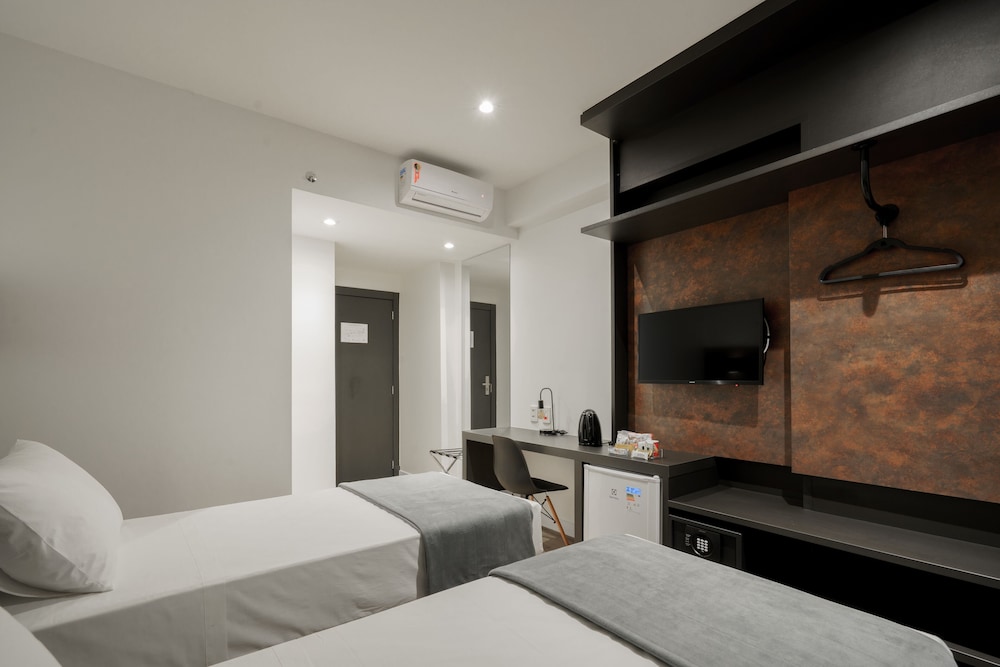
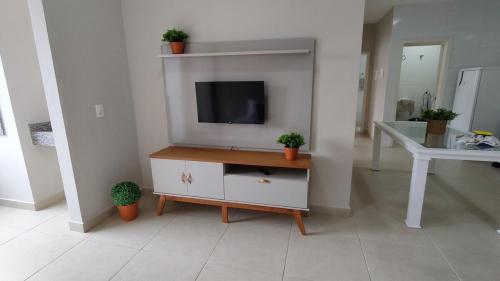
The Centro Histórico (about 8 blocks around Rua Coronel Carvalho) is the atmospheric base — small pousadas in colonial buildings at R$200–R$380 year round, walking distance to the Museu Nacional do Mar and the Igreja Matriz. Enseada beach 20 minutes east is where the summer pousadas cluster at R$220–R$450 peak, R$140–R$220 winter; Sao Francisco Do Sul Sc Praia Do Forte. sits in this stretch and is a straightforward pick if you want to be near the sand rather than the cobblestones. Ubatuba and Itaguaçu (10 minutes further) are quieter with fewer options at R$180–R$300. Avoid Vila da Glória (mainland side across the bay) — cheap but disconnected from everything. Book the Centro for history, Enseada for beach mornings; there's no wrong choice if you're staying two nights and doing both.
Where to sleep
Hotels in São Francisco do Sul
Real, top-reviewed rooms — booked at the same live rate through app.impt.io, one tonne of carbon removed per stay.
★ 4.0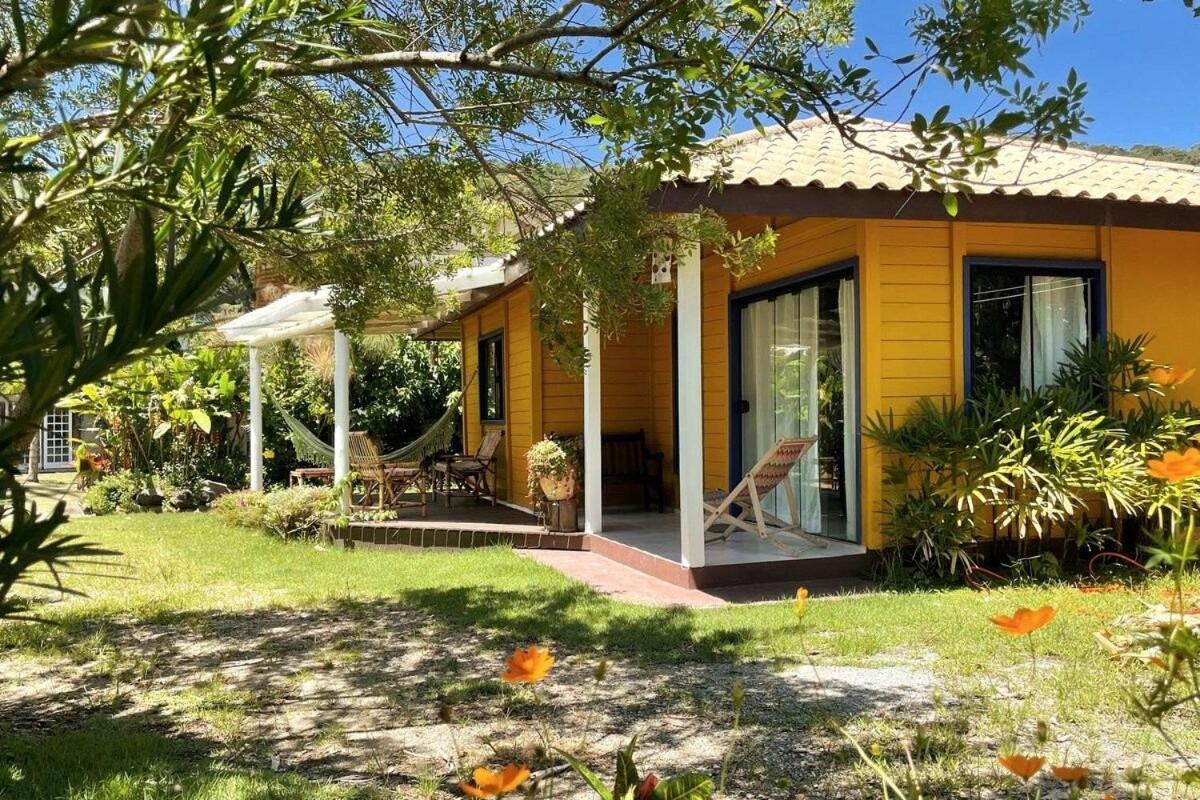 ★ 4.0
★ 4.0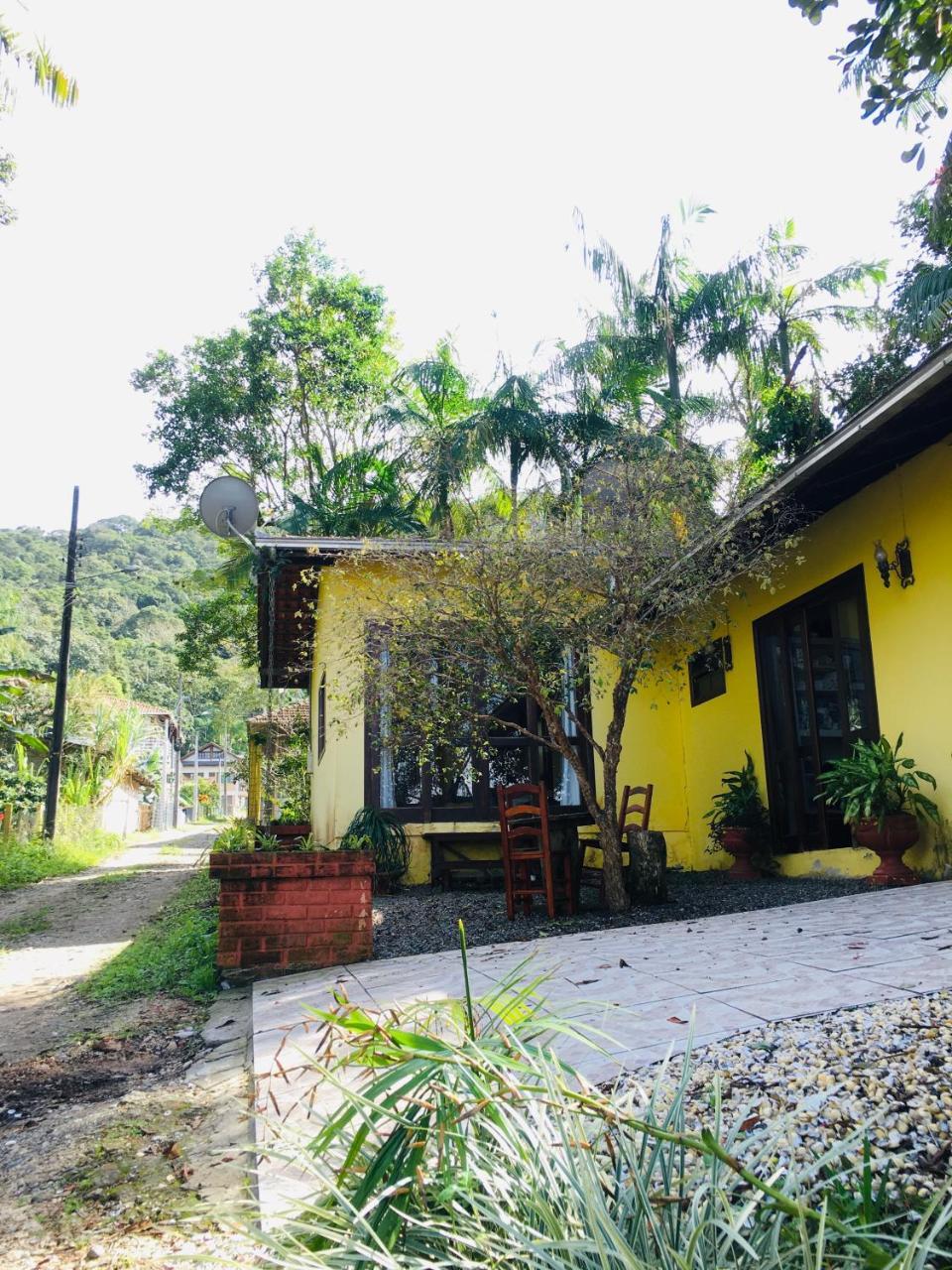 ★ 4.0
★ 4.0 ★ 4.0
★ 4.0More stays
Every stay in São Francisco do Sul
Ordered so photographed, well-reviewed rooms come first.
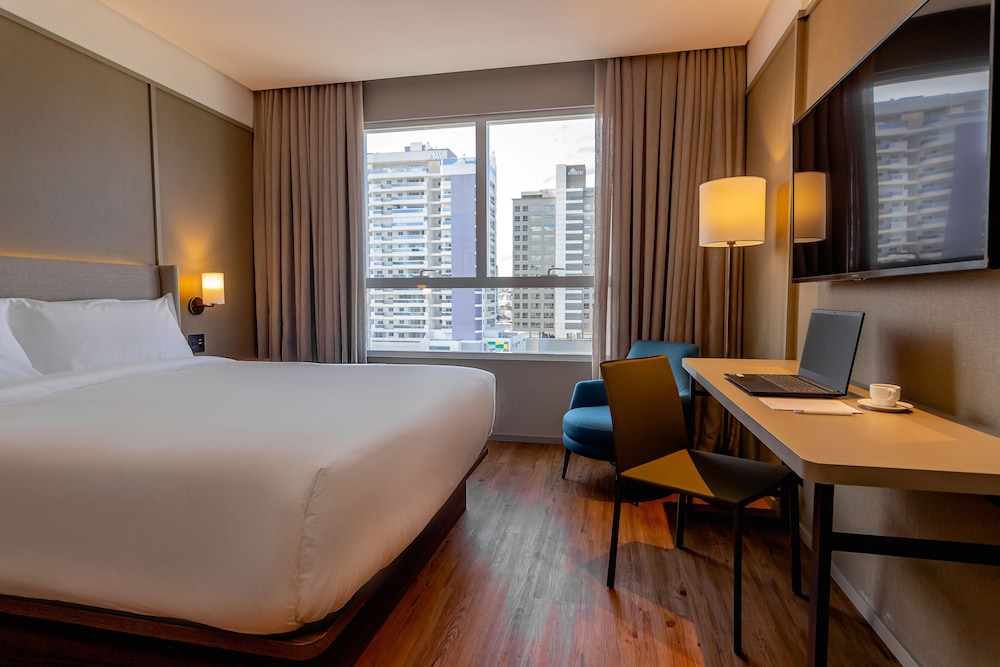 ★ 4.8
★ 4.8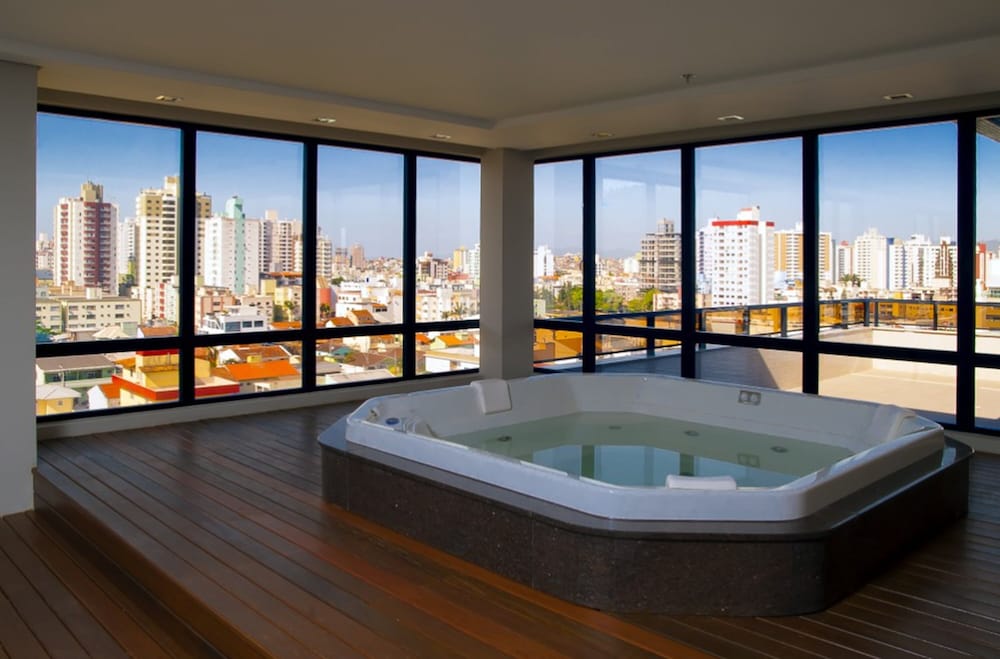 ★ 4.6
★ 4.6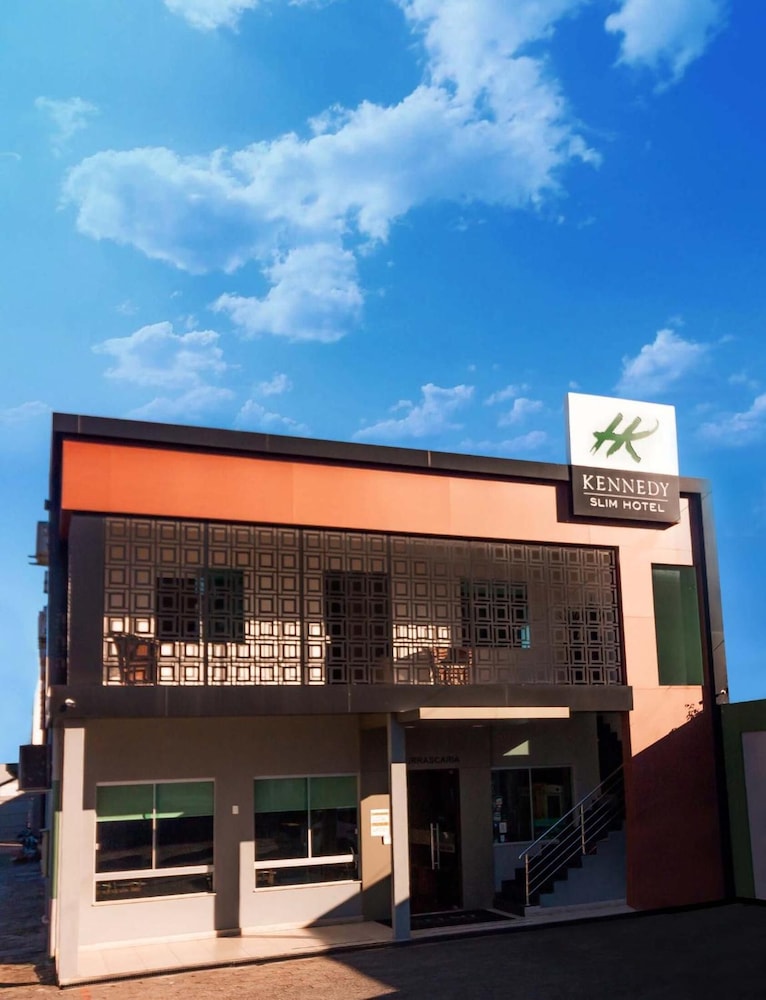 ★ 4.1
★ 4.1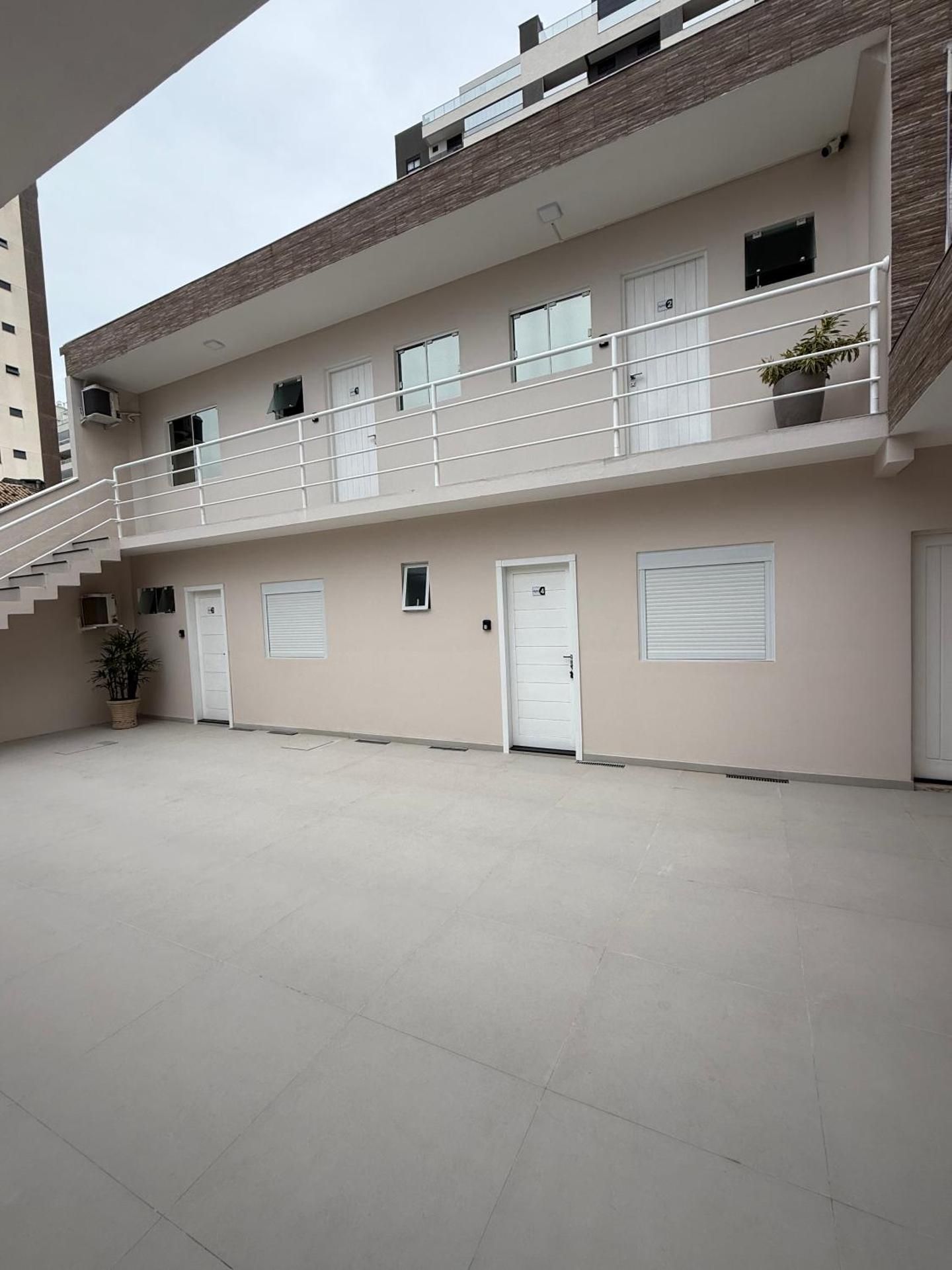
On the ground
Things to do in São Francisco do Sul
- Walk the Centro HistóricoThe concentrated colonial zone bounded by Rua Coronel Carvalho, Rua Barão do Rio Branco and the waterfront. About 150 protected façades, the 1719 Igreja Matriz Nossa Senhora da Graça, and the Museu Histórico. Free to walk, 90 minutes for a proper look, best light 4pm.
- Museu Nacional do MarRua Manoel Lourenço de Andrade 133, in a restored waterfront warehouse. R$15 entry, open Tuesday to Sunday 10am–5pm. Full-scale replica of the São Francisco (a 15th-century Portuguese caravel), Brazilian coastal boat collection, whaling history. The best museum in northern Santa Catarina — allow 90 minutes.
- Beach day at Praia da EnseadaThe main summer beach, 20 minutes east of the Centro Histórico. 6 km curve of calm, north-facing sand, warm shallow water, beach kiosks and volleyball nets mid-beach. Family-friendly and never as crowded as the Florianópolis north beaches. Bus from Centro every 30 minutes for R$5.
- Fortaleza de Marechal LuzThe 1848 fort at the entrance to the Baía da Babitonga, at the northern tip of the island. 25-minute drive from the Centro Histórico. R$10 entry, open 9am–5pm Tuesday to Sunday. Restored fortifications, cannons and the best viewpoint over the bay and the freight port.
- Mercado Público MunicipalOn the waterfront a short walk from the Museu Nacional do Mar, open mornings through early afternoon most days. Small stalls selling local seafood, cachaça and handicrafts rather than a big produce market — 20 minutes is enough, worth combining with the museum visit rather than a special trip.
- Boat trip on the Baía da BabitongaLocal operators run short bay trips from the Cais da Ribeira near the Centro Histórico, typically R$40–R$60 per person for around an hour, passing the freight port and the mangrove edges toward the fort. Confirm departure times on the day — there's no fixed timetable and trips depend on demand.
Getting around & the essentials
On foot
Start at the Museu Nacional do Mar on the waterfront, walk east along Rua Manoel Lourenço past the old customs house and the Mercado Público to the Igreja Matriz. Cut inland through the small streets of the colonial grid — Rua Babitonga, Rua Coronel Carvalho — with their protected façades, pausing at the Museu Histórico, and return along the waterfront past the fishermen's colony and the Cais da Ribeira. Perfect at 4pm–5pm, when the façades catch the light and the fishing boats come in.
By road
Yes for beaches and forts
Transport
From Joinville it's a 45-minute drive east on BR-280 (Uber R$65). From Florianópolis 2h45 north on BR-101 then BR-280. Intercity bus from Joinville rodoviária R$18 every hour, 60 minutes, arriving at the small rodoviária on the edge of the Centro Histórico — the museum and main square are a 10-minute walk from there. Once on the island you need a car or bike for the beaches — city buses connect Centro to Enseada every 30 minutes for R$5 but stop at 10pm. To Ubatuba and Itaguaçu buses are less frequent, sometimes hourly, so check the return time before heading out. There's no airport on the island itself; nearest is Joinville (JOI), about 50 minutes away by car.
Nightlife
Quiet, historic-town pace
Beach
8 km to Enseada from Centro
Good to know
Questions, answered
Is São Francisco do Sul worth the detour from Joinville?
Yes — it's one of the most historically significant coastal towns in southern Brazil and the Centro Histórico is the real thing, not reconstruction. Combine with Joinville as a two-day stop: colonial walking on day one, beach on day two. Skip if you only have time for the coast — Florianópolis has better beaches and Bombinhas has better water.
How are the beaches on the island?
Enseada is the main summer beach — calm, family-friendly, north-facing 6 km curve, decently developed. Ubatuba and Itaguaçu are quieter, more local. None of them are the clear-water beaches you get on the Bombinhas peninsula further south — these are bay beaches with typical Atlantic-coast visibility of 1–2 metres. Good for swimming, not for snorkelling.
How many days do you need in São Francisco do Sul?
One full day covers the Centro Histórico and the Museu Nacional do Mar at a comfortable pace, with the fort added if you have a car. Two days lets you add a beach afternoon at Enseada without rushing. Anything longer is really a base for exploring the wider Joinville area rather than the town itself.
Can you visit São Francisco do Sul as a day trip from Joinville?
Yes, and many people do — the bus takes an hour each way and the Centro Histórico, museum and a quick lunch fit comfortably into a single day. You'll miss the fort and the beaches unless you rent a car, and the last bus back leaves before 10pm, so plan around that if you're not staying over.
Doing good is the business: every booking through Stay Santa Catarina funds one verified tonne of carbon removal — same room, same price, no markup.
Start your search